
Articles | Volume 17, issue 5
https://doi.org/10.5194/esd-17-1277-2026
© Author(s) 2026. This work is distributed under
the Creative Commons Attribution 4.0 License.
the Creative Commons Attribution 4.0 License.
https://doi.org/10.5194/esd-17-1277-2026
© Author(s) 2026. This work is distributed under
the Creative Commons Attribution 4.0 License.
the Creative Commons Attribution 4.0 License.
Research article
| 
21 Sep 2026
Research article |
| 21 Sep 2026
| 21 Sep 2026
Ensemble simulation of the Last Glacial Maximum marine biogeochemistry and atmospheric pCO2 drawdown due to the soft-tissue biological carbon pump

GEOMAR Helmholtz Centre for Ocean Research Kiel, Kiel, Germany
Institute of Oceanography, National Taiwan University, Taipei, Taiwan
Markus Pahlow
GEOMAR Helmholtz Centre for Ocean Research Kiel, Kiel, Germany
Christopher J. Somes
GEOMAR Helmholtz Centre for Ocean Research Kiel, Kiel, Germany
Markus Schartau
GEOMAR Helmholtz Centre for Ocean Research Kiel, Kiel, Germany
Andreas Oschlies
GEOMAR Helmholtz Centre for Ocean Research Kiel, Kiel, Germany
Related authors
Na Li, Christopher J. Somes, Angela Landolfi, Chia-Te Chien, Markus Pahlow, and Andreas Oschlies
Biogeosciences, 21, 4361–4380, https://doi.org/10.5194/bg-21-4361-2024, https://doi.org/10.5194/bg-21-4361-2024, 2024
Short summary
Short summary
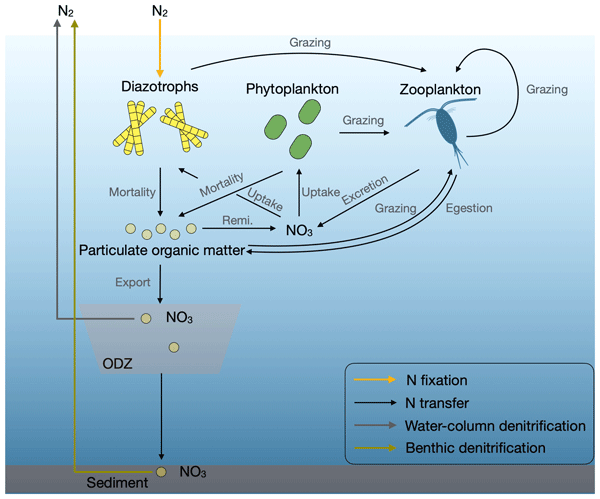
N is a crucial nutrient that limits phytoplankton growth in large ocean areas. The amount of oceanic N is governed by the balance of N2 fixation and denitrification. Here we incorporate benthic denitrification into an Earth system model with variable particulate stoichiometry. Our model compares better to the observed surface nutrient distributions, marine N2 fixation, and primary production. Benthic denitrification plays an important role in marine N and C cycling and hence the global climate.
Chia-Te Chien, Jonathan V. Durgadoo, Dana Ehlert, Ivy Frenger, David P. Keller, Wolfgang Koeve, Iris Kriest, Angela Landolfi, Lavinia Patara, Sebastian Wahl, and Andreas Oschlies
Geosci. Model Dev., 15, 5987–6024, https://doi.org/10.5194/gmd-15-5987-2022, https://doi.org/10.5194/gmd-15-5987-2022, 2022
Short summary
Short summary
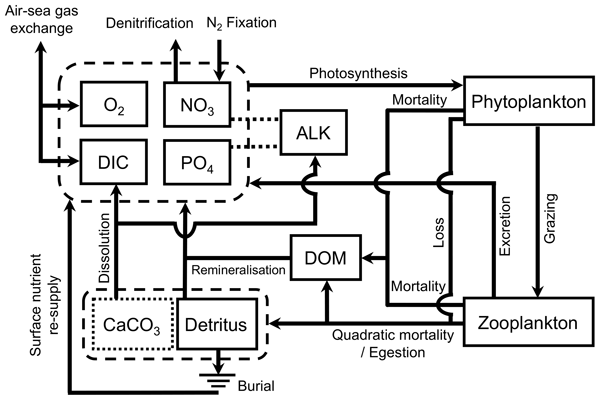
We present the implementation and evaluation of a marine biogeochemical model, Model of Oceanic Pelagic Stoichiometry (MOPS) in the Flexible Ocean and Climate Infrastructure (FOCI) climate model. FOCI-MOPS enables the simulation of marine biological processes, the marine carbon, nitrogen and oxygen cycles, and air–sea gas exchange of CO2 and O2. As shown by our evaluation, FOCI-MOPS shows an overall adequate performance that makes it an appropriate tool for Earth climate system simulations.
Vanessa Teske, Tronje Kemena, and Andreas Oschlies
EGUsphere, https://doi.org/10.5194/egusphere-2026-4781, https://doi.org/10.5194/egusphere-2026-4781, 2026
Short summary
Short summary
Ocean Alkalinity Enhancement is an ocean-based carbon dioxide removal method, but common metrics for assessing its effectiveness are difficult to apply in Earth system models. We show that changes in the global ocean carbon and alkalinity inventories are unreliable indicators for CO₂ uptake by the ocean because alkalinity additions to the ocean can alter the timing of large-scale climate modes, such as El Niño. Regional air-sea CO₂ fluxes provide more robust estimates.
Tianfei Xue, Lionel A. Arteaga, Markus Pahlow, and Ivy Frenger
EGUsphere, https://doi.org/10.5194/egusphere-2026-3722, https://doi.org/10.5194/egusphere-2026-3722, 2026
Short summary
Short summary
Climate change alters the balance between ocean plants (phytoplankton) and the tiny animals eating them (zooplankton) in the Southern Ocean. Using 12 climate models, we show zooplankton respond more strongly to climate change than phytoplankton, but mainly in spring and summer. Near Antarctica zooplankton increase more than phytoplankton; in subtropical waters they decline more. Annual averages hide these seasonal extremes, underestimating ecological impacts on marine food webs.
Karin Kvale, Ivy Frenger, Julia Getzlaff, Wolfgang Koeve, Iris Kriest, Angela Landolfi, and Andreas Oschlies
EGUsphere, https://doi.org/10.5194/egusphere-2026-3481, https://doi.org/10.5194/egusphere-2026-3481, 2026
Short summary
Short summary
We tried to understand how parameter choices can impact ocean model results over long-timescale simulations. Using a standard ocean biogeochemical model, we modified the physics slightly and then used an objective tuning procedure to create 3 ocean biogeochemical models that perform nearly identically for the modern ocean. These 3 models gave similar results but for different underlying reasons, which caused the models to respond differently when forced with fossil CO2 emissions.

Amavi Silva, Surandokht Nikzad, Theresa Barthelmeß, Anja Engel, Hartmut Herrmann, Manuela van Pinxteren, Kai Wirtz, Oliver Wurl, and Markus Schartau
Biogeosciences, 23, 1697–1718, https://doi.org/10.5194/bg-23-1697-2026, https://doi.org/10.5194/bg-23-1697-2026, 2026
Short summary
Short summary
We conducted the first meta-analysis combining marine and freshwater studies to understand organic matter enrichment in the surface microlayer. Nitrogen-rich, particulate compounds are often enriched, with patterns varying by multiple factors. We recommend tracking both absolute concentrations and normalized enrichment patterns to better assess ecological conditions. Our study also introduces improved statistical methods for analyzing and comparing surface microlayer data.
Timothée Bourgeois, Giang T. Tran, Aurich Jeltsch-Thömmes, Jörg Schwinger, Friederike Fröb, Thomas L. Frölicher, Thorsten Blenckner, Olivier Torres, Jean Negrel, David P. Keller, Andreas Oschlies, Laurent Bopp, and Fortunat Joos
Biogeosciences, 22, 5435–5462, https://doi.org/10.5194/bg-22-5435-2025, https://doi.org/10.5194/bg-22-5435-2025, 2025
Short summary
Short summary
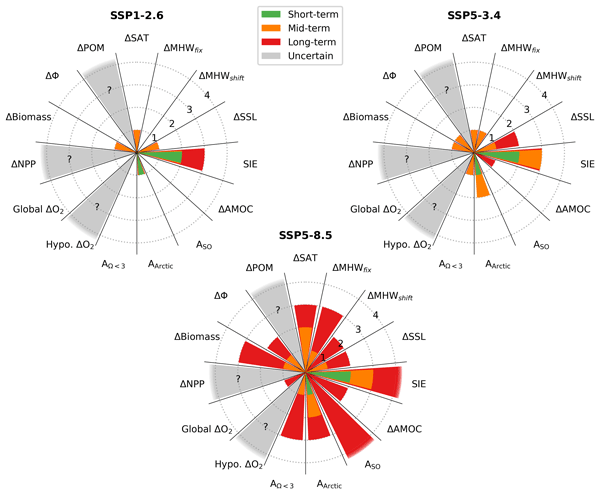
Anthropogenic greenhouse gas emissions significantly impact ocean ecosystems through climate change and acidification, leading to either progressive or abrupt changes. This study maps the crossing of physical and ecological limits for various ocean impact metrics under three emission scenarios. Using Earth system models, we identify when these limits are exceeded, highlighting the urgent need for ambitious climate action to safeguard the world's oceans and ecosystems.
Samantha Siedlecki, Stanley Nmor, Gennadi Lessin, Kelly Kearney, Subhadeep Rakshit, Colleen Petrik, Jessica Luo, Cristina Schultz, Dalton Sasaki, Kayla Gillen, Anh Pham, Christopher Somes, Damian Brady, Jeremy Testa, Christophe Rabouille, Isa Elegbede, and Olivier Sulpis
EGUsphere, https://doi.org/10.5194/egusphere-2025-1846, https://doi.org/10.5194/egusphere-2025-1846, 2025
Preprint archived
Short summary
Short summary
Benthic biogeochemical models are essential for simulating seafloor carbon cycling and climate feedbacks, yet vary widely in structure and assumptions. This paper introduces SedBGC_MIP, a community initiative to compare existing models, refine key processes, and assess uncertainty. We highlight discrepancies through case studies and introduce needs including observational benchmarks. Ultimately, we seek to improve climate and resource projections.
Haichao Guo, Wolfgang Koeve, Andreas Oschlies, Yan-Chun He, Tronje Peer Kemena, Lennart Gerke, and Iris Kriest
Ocean Sci., 21, 1167–1182, https://doi.org/10.5194/os-21-1167-2025, https://doi.org/10.5194/os-21-1167-2025, 2025
Short summary
Short summary
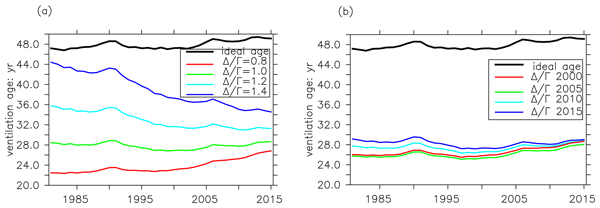
We evaluated the effectiveness of the inverse Gaussian transit time distribution (IG-TTD) with respect to estimating the mean state and temporal changes of seawater age, defined as the duration since water last had contact with the atmosphere, within the tropical thermocline. Results suggest that the IG-TTD underestimates seawater age. Moreover, the IG-TTD constrained by a single tracer gives spurious trends in water age. Incorporating an additional tracer improves IG-TTD's accuracy for estimating temporal change of seawater age.
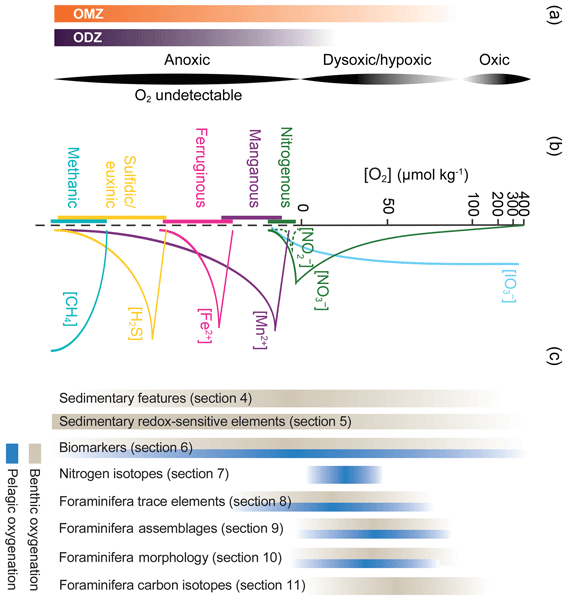
Babette A.A. Hoogakker, Catherine Davis, Yi Wang, Stephanie Kusch, Katrina Nilsson-Kerr, Dalton S. Hardisty, Allison Jacobel, Dharma Reyes Macaya, Nicolaas Glock, Sha Ni, Julio Sepúlveda, Abby Ren, Alexandra Auderset, Anya V. Hess, Katrin J. Meissner, Jorge Cardich, Robert Anderson, Christine Barras, Chandranath Basak, Harold J. Bradbury, Inda Brinkmann, Alexis Castillo, Madelyn Cook, Kassandra Costa, Constance Choquel, Paula Diz, Jonas Donnenfield, Felix J. Elling, Zeynep Erdem, Helena L. Filipsson, Sebastián Garrido, Julia Gottschalk, Anjaly Govindankutty Menon, Jeroen Groeneveld, Christian Hallmann, Ingrid Hendy, Rick Hennekam, Wanyi Lu, Jean Lynch-Stieglitz, Lélia Matos, Alfredo Martínez-García, Giulia Molina, Práxedes Muñoz, Simone Moretti, Jennifer Morford, Sophie Nuber, Svetlana Radionovskaya, Morgan Reed Raven, Christopher J. Somes, Anja S. Studer, Kazuyo Tachikawa, Raúl Tapia, Martin Tetard, Tyler Vollmer, Xingchen Wang, Shuzhuang Wu, Yan Zhang, Xin-Yuan Zheng, and Yuxin Zhou
Biogeosciences, 22, 863–957, https://doi.org/10.5194/bg-22-863-2025, https://doi.org/10.5194/bg-22-863-2025, 2025
Short summary
Short summary
Paleo-oxygen proxies can extend current records, constrain pre-anthropogenic baselines, provide datasets necessary to test climate models under different boundary conditions, and ultimately understand how ocean oxygenation responds on longer timescales. Here we summarize current proxies used for the reconstruction of Cenozoic seawater oxygen levels. This includes an overview of the proxy's history, how it works, resources required, limitations, and future recommendations.
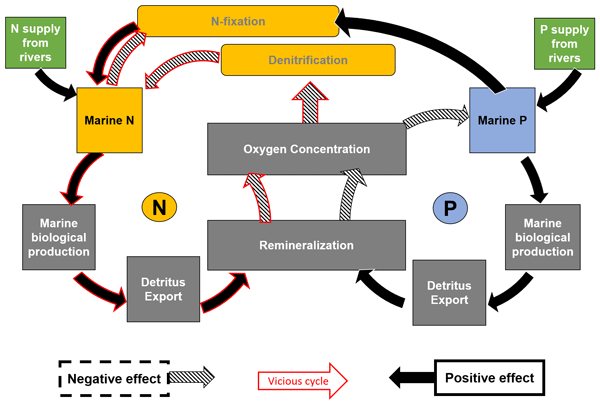
Miriam Tivig, David P. Keller, and Andreas Oschlies
Biogeosciences, 21, 4469–4493, https://doi.org/10.5194/bg-21-4469-2024, https://doi.org/10.5194/bg-21-4469-2024, 2024
Short summary
Short summary
Marine biological production is highly dependent on the availability of nitrogen and phosphorus. Rivers are the main source of phosphorus to the oceans but poorly represented in global model oceans. We include dissolved nitrogen and phosphorus from river export in a global model ocean and find that the addition of riverine phosphorus affects marine biology on millennial timescales more than riverine nitrogen alone. Globally, riverine phosphorus input increases primary production rates.
Na Li, Christopher J. Somes, Angela Landolfi, Chia-Te Chien, Markus Pahlow, and Andreas Oschlies
Biogeosciences, 21, 4361–4380, https://doi.org/10.5194/bg-21-4361-2024, https://doi.org/10.5194/bg-21-4361-2024, 2024
Short summary
Short summary
N is a crucial nutrient that limits phytoplankton growth in large ocean areas. The amount of oceanic N is governed by the balance of N2 fixation and denitrification. Here we incorporate benthic denitrification into an Earth system model with variable particulate stoichiometry. Our model compares better to the observed surface nutrient distributions, marine N2 fixation, and primary production. Benthic denitrification plays an important role in marine N and C cycling and hence the global climate.
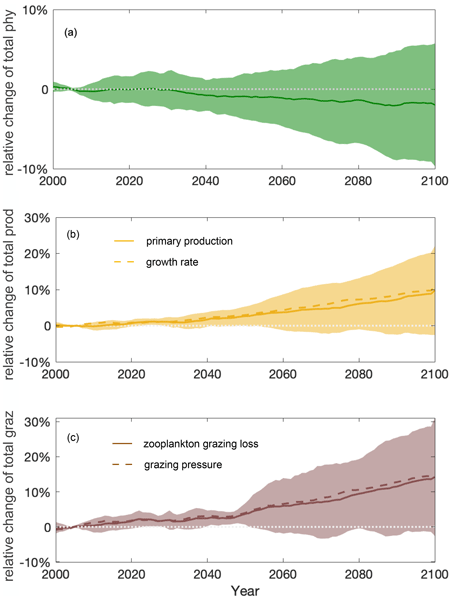
Tianfei Xue, Jens Terhaar, A. E. Friederike Prowe, Thomas L. Frölicher, Andreas Oschlies, and Ivy Frenger
Biogeosciences, 21, 2473–2491, https://doi.org/10.5194/bg-21-2473-2024, https://doi.org/10.5194/bg-21-2473-2024, 2024
Short summary
Short summary
Phytoplankton play a crucial role in marine ecosystems. However, climate change's impact on phytoplankton biomass remains uncertain, particularly in the Southern Ocean. In this region, phytoplankton biomass within the water column is likely to remain stable in response to climate change, as supported by models. This stability arises from a shallower mixed layer, favoring phytoplankton growth but also increasing zooplankton grazing due to phytoplankton concentration near the surface.
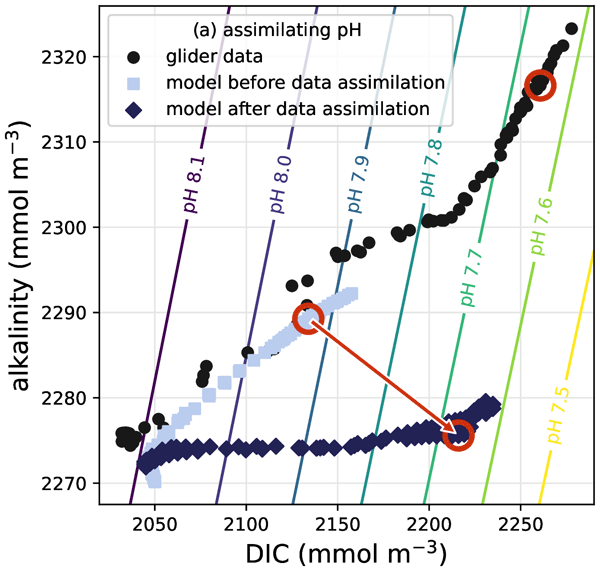
Katja Fennel, Matthew C. Long, Christopher Algar, Brendan Carter, David Keller, Arnaud Laurent, Jann Paul Mattern, Ruth Musgrave, Andreas Oschlies, Josiane Ostiguy, Jaime B. Palter, and Daniel B. Whitt
State Planet, 2-oae2023, 9, https://doi.org/10.5194/sp-2-oae2023-9-2023, https://doi.org/10.5194/sp-2-oae2023-9-2023, 2023
Short summary
Short summary
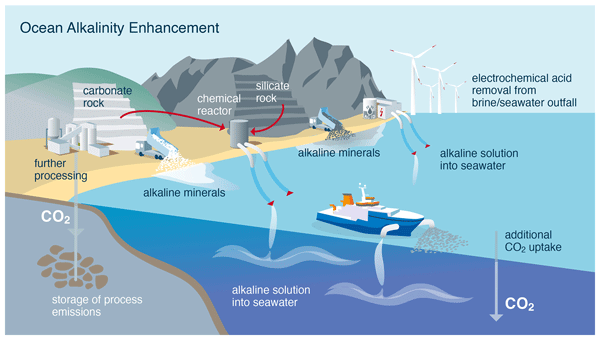
This paper describes biogeochemical models and modelling techniques for applications related to ocean alkalinity enhancement (OAE) research. Many of the most pressing OAE-related research questions cannot be addressed by observation alone but will require a combination of skilful models and observations. We present illustrative examples with references to further information; describe limitations, caveats, and future research needs; and provide practical recommendations.
Andreas Oschlies, Lennart T. Bach, Rosalind E. M. Rickaby, Terre Satterfield, Romany Webb, and Jean-Pierre Gattuso
State Planet, 2-oae2023, 1, https://doi.org/10.5194/sp-2-oae2023-1-2023, https://doi.org/10.5194/sp-2-oae2023-1-2023, 2023
Short summary
Short summary
Reaching promised climate targets will require the deployment of carbon dioxide removal (CDR). Marine CDR options receive more and more interest. Based on idealized theoretical studies, ocean alkalinity enhancement (OAE) appears as a promising marine CDR method. We provide an overview on the current situation of developing OAE as a marine CDR method and describe the history that has led to the creation of the OAE research best practice guide.
Maria-Theresia Pelz, Markus Schartau, Christopher J. Somes, Vanessa Lampe, and Thomas Slawig
Geosci. Model Dev., 16, 6609–6634, https://doi.org/10.5194/gmd-16-6609-2023, https://doi.org/10.5194/gmd-16-6609-2023, 2023
Short summary
Short summary
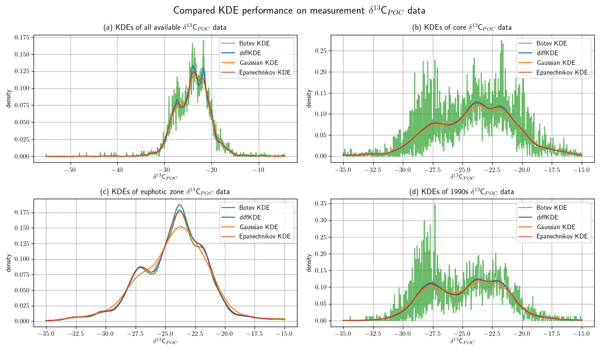
Kernel density estimators (KDE) approximate the probability density of a data set without the assumption of an underlying distribution. We used the solution of the diffusion equation, and a new approximation of the optimal smoothing parameter build on two pilot estimation steps, to construct such a KDE best suited for typical characteristics of geoscientific data. The resulting KDE is insensitive to noise and well resolves multimodal data structures as well as boundary-close data.
Christoph Heinze, Thorsten Blenckner, Peter Brown, Friederike Fröb, Anne Morée, Adrian L. New, Cara Nissen, Stefanie Rynders, Isabel Seguro, Yevgeny Aksenov, Yuri Artioli, Timothée Bourgeois, Friedrich Burger, Jonathan Buzan, B. B. Cael, Veli Çağlar Yumruktepe, Melissa Chierici, Christopher Danek, Ulf Dieckmann, Agneta Fransson, Thomas Frölicher, Giovanni Galli, Marion Gehlen, Aridane G. González, Melchor Gonzalez-Davila, Nicolas Gruber, Örjan Gustafsson, Judith Hauck, Mikko Heino, Stephanie Henson, Jenny Hieronymus, I. Emma Huertas, Fatma Jebri, Aurich Jeltsch-Thömmes, Fortunat Joos, Jaideep Joshi, Stephen Kelly, Nandini Menon, Precious Mongwe, Laurent Oziel, Sólveig Ólafsdottir, Julien Palmieri, Fiz F. Pérez, Rajamohanan Pillai Ranith, Juliano Ramanantsoa, Tilla Roy, Dagmara Rusiecka, J. Magdalena Santana Casiano, Yeray Santana-Falcón, Jörg Schwinger, Roland Séférian, Miriam Seifert, Anna Shchiptsova, Bablu Sinha, Christopher Somes, Reiner Steinfeldt, Dandan Tao, Jerry Tjiputra, Adam Ulfsbo, Christoph Völker, Tsuyoshi Wakamatsu, and Ying Ye
Biogeosciences Discuss., https://doi.org/10.5194/bg-2023-182, https://doi.org/10.5194/bg-2023-182, 2023
Revised manuscript not accepted
Short summary
Short summary
For assessing the consequences of human-induced climate change for the marine realm, it is necessary to not only look at gradual changes but also at abrupt changes of environmental conditions. We summarise abrupt changes in ocean warming, acidification, and oxygen concentration as the key environmental factors for ecosystems. Taking these abrupt changes into account requires greenhouse gas emissions to be reduced to a larger extent than previously thought to limit respective damage.
Iris Kriest, Julia Getzlaff, Angela Landolfi, Volkmar Sauerland, Markus Schartau, and Andreas Oschlies
Biogeosciences, 20, 2645–2669, https://doi.org/10.5194/bg-20-2645-2023, https://doi.org/10.5194/bg-20-2645-2023, 2023
Short summary
Short summary
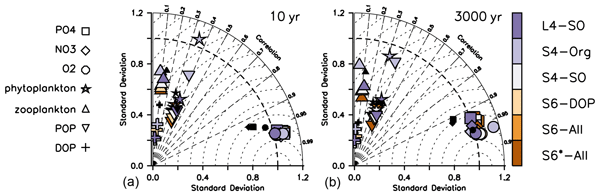
Global biogeochemical ocean models are often subjectively assessed and tuned against observations. We applied different strategies to calibrate a global model against observations. Although the calibrated models show similar tracer distributions at the surface, they differ in global biogeochemical fluxes, especially in global particle flux. Simulated global volume of oxygen minimum zones varies strongly with calibration strategy and over time, rendering its temporal extrapolation difficult.
Jiajun Wu, David P. Keller, and Andreas Oschlies
Earth Syst. Dynam., 14, 185–221, https://doi.org/10.5194/esd-14-185-2023, https://doi.org/10.5194/esd-14-185-2023, 2023
Short summary
Short summary
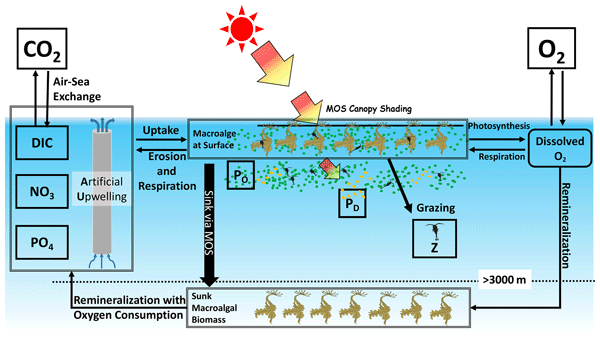
In this study we investigate an ocean-based carbon dioxide removal method: macroalgae open-ocean mariculture and sinking (MOS), which aims to cultivate seaweed in the open-ocean surface and to sink matured biomass quickly to the deep seafloor. Our results suggest that MOS has considerable potential as an ocean-based CDR method. However, MOS has inherent side effects on marine ecosystems and biogeochemistry, which will require careful evaluation beyond this first idealized modeling study.
Onur Kerimoglu, Markus Pahlow, Prima Anugerahanti, and Sherwood Lan Smith
Geosci. Model Dev., 16, 95–108, https://doi.org/10.5194/gmd-16-95-2023, https://doi.org/10.5194/gmd-16-95-2023, 2023
Short summary
Short summary
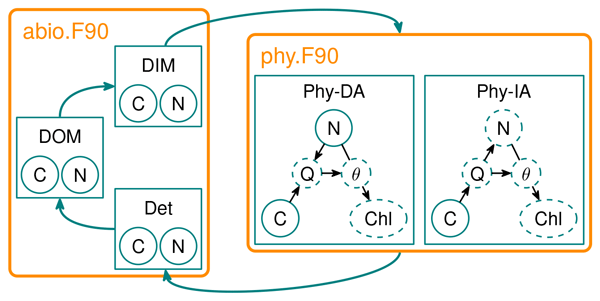
In classical models that track the changes in the elemental composition of phytoplankton, additional state variables are required for each element resolved. In this study, we show how the behavior of such an explicit model can be approximated using an
instantaneous acclimationapproach, in which the elemental composition of the phytoplankton is assumed to adjust to an optimal value instantaneously. Through rigorous tests, we evaluate the consistency of this scheme.
Chia-Te Chien, Jonathan V. Durgadoo, Dana Ehlert, Ivy Frenger, David P. Keller, Wolfgang Koeve, Iris Kriest, Angela Landolfi, Lavinia Patara, Sebastian Wahl, and Andreas Oschlies
Geosci. Model Dev., 15, 5987–6024, https://doi.org/10.5194/gmd-15-5987-2022, https://doi.org/10.5194/gmd-15-5987-2022, 2022
Short summary
Short summary
We present the implementation and evaluation of a marine biogeochemical model, Model of Oceanic Pelagic Stoichiometry (MOPS) in the Flexible Ocean and Climate Infrastructure (FOCI) climate model. FOCI-MOPS enables the simulation of marine biological processes, the marine carbon, nitrogen and oxygen cycles, and air–sea gas exchange of CO2 and O2. As shown by our evaluation, FOCI-MOPS shows an overall adequate performance that makes it an appropriate tool for Earth climate system simulations.
Tianfei Xue, Ivy Frenger, A. E. Friederike Prowe, Yonss Saranga José, and Andreas Oschlies
Biogeosciences, 19, 455–475, https://doi.org/10.5194/bg-19-455-2022, https://doi.org/10.5194/bg-19-455-2022, 2022
Short summary
Short summary
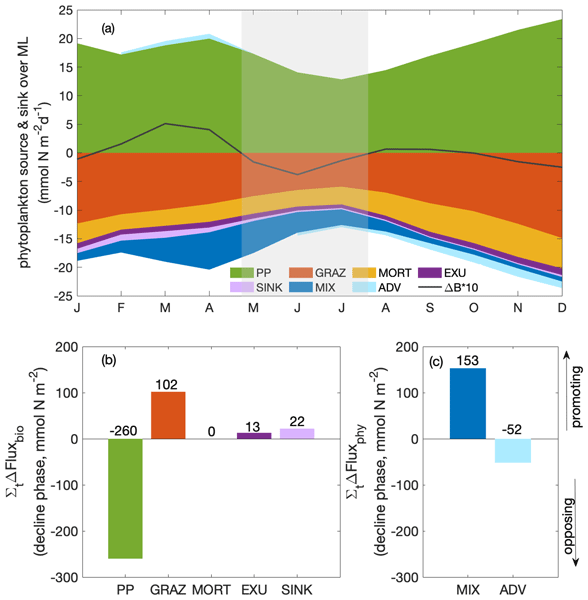
The Peruvian system supports 10 % of the world's fishing yield. In the Peruvian system, wind and earth’s rotation bring cold, nutrient-rich water to the surface and allow phytoplankton to grow. But observations show that it grows worse at high upwelling. Using a model, we find that high upwelling happens when air mixes the water the most. Then phytoplankton is diluted and grows slowly due to low light and cool upwelled water. This study helps to estimate how it might change in a warming climate.
Karin Kvale, David P. Keller, Wolfgang Koeve, Katrin J. Meissner, Christopher J. Somes, Wanxuan Yao, and Andreas Oschlies
Geosci. Model Dev., 14, 7255–7285, https://doi.org/10.5194/gmd-14-7255-2021, https://doi.org/10.5194/gmd-14-7255-2021, 2021
Short summary
Short summary
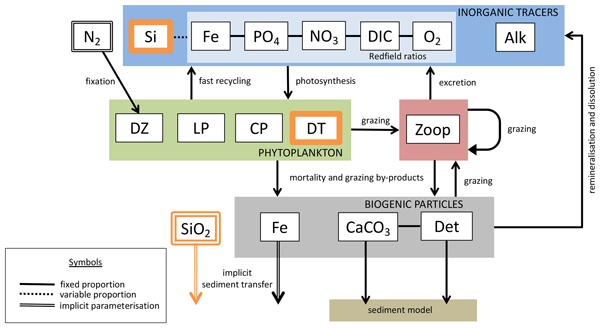
We present a new model of biological marine silicate cycling for the University of Victoria Earth System Climate Model (UVic ESCM). This new model adds diatoms, which are a key aspect of the biological carbon pump, to an existing ecosystem model. Our modifications change how the model responds to warming, with net primary production declining more strongly than in previous versions. Diatoms in particular are simulated to decline with climate warming due to their high nutrient requirements.
Maria-Theresia Verwega, Christopher J. Somes, Markus Schartau, Robyn Elizabeth Tuerena, Anne Lorrain, Andreas Oschlies, and Thomas Slawig
Earth Syst. Sci. Data, 13, 4861–4880, https://doi.org/10.5194/essd-13-4861-2021, https://doi.org/10.5194/essd-13-4861-2021, 2021
Short summary
Short summary
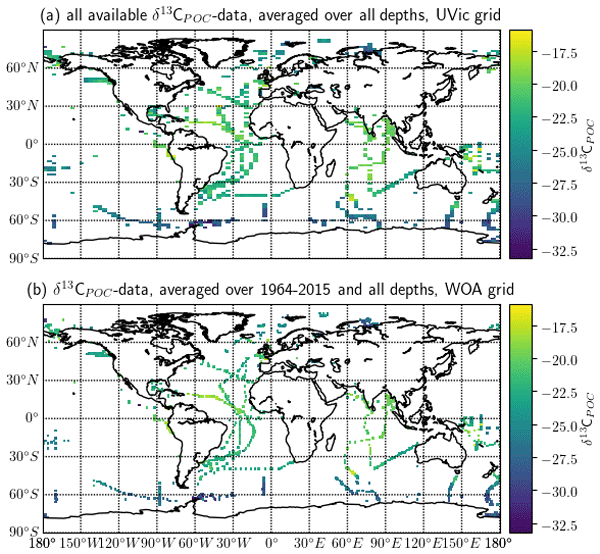
This work describes a ready-to-use collection of particulate organic carbon stable isotope ratio data sets. It covers the 1960s–2010s and all main oceans, providing meta-information and gridded data. The best coverage exists in Atlantic, Indian and Southern Ocean surface waters during the 1990s. It indicates no major difference between methods and shows decreasing values towards high latitudes, with the lowest in the Southern Ocean, and a long-term decline in all regions but the Southern Ocean.
Cited articles
Albani, S., Mahowald, N. M., Perry, A. T., Scanza, R. A., Zender, C. S., Heavens, N. G., Maggi, V., Kok, J. F., and Otto-Bliesner, B. L.: Improved dust representation in the Community Atmosphere Model, J. Adv. Model. Earth Sy., 6, 541–570, https://doi.org/10.1002/2013MS000279, 2014. a
Anderson, R. F., Sachs, J. P., Fleisher, M. Q., Allen, K. A., Yu, J., Koutavas, A., and Jaccard, S. L.: Deep-Sea Oxygen Depletion and Ocean Carbon Sequestration During the Last Ice Age, Global Biogeochem. Cy., 33, 301–317, https://doi.org/10.1029/2018GB006049, 2019. a, b
Bopp, L., Kohfeld, K. E., Le Quéré, C., and Aumont, O.: Dust impact on marine biota and atmospheric CO2 during glacial periods, Paleoceanography, 18, https://doi.org/10.1029/2002PA000810, 2003. a
Bopp, L., Resplandy, L., Untersee, A., Le Mezo, P., and Kageyama, M.: Ocean (de)oxygenation from the Last Glacial Maximum to the twenty-first century: insights from Earth System models, Philos. T. Roy. Soc. A, 375, 20160323, https://doi.org/10.1098/rsta.2016.0323, 2017. a
Bouttes, N., Paillard, D., Roche, D. M., Brovkin, V., and Bopp, L.: Last Glacial Maximum CO2 and δ13C successfully reconciled, Geophys. Res. Lett., 38, https://doi.org/10.1029/2010GL044499, 2011. a
Broecker, W. S.: Glacial to interglacial changes in ocean chemistry, Prog. Oceanogr., 11, 151–197, https://doi.org/10.1016/0079-6611(82)90007-6, 1982. a, b, c
Brovkin, V., Ganopolski, A., Archer, D., and Rahmstorf, S.: Lowering of glacial atmospheric CO2 in response to changes in oceanic circulation and marine biogeochemistry, Paleoceanography, 22, https://doi.org/10.1029/2006PA001380, 2007. a
Browning, T. J. and Moore, C. M.: Global analysis of ocean phytoplankton nutrient limitation reveals high prevalence of co-limitation, Nat. Commun., 14, 5014, https://doi.org/10.1038/s41467-023-40774-0, 2023. a
Browning, T. J., Achterberg, E. P., Rapp, I., Engel, A., Bertrand, E. M., Tagliabue, A., and Moore, C. M.: Nutrient co-limitation at the boundary of an oceanic gyre, Nature, 551, 242–246, https://doi.org/10.1038/nature24063, 2017. a
Buchanan, P. J., Matear, R. J., Lenton, A., Phipps, S. J., Chase, Z., and Etheridge, D. M.: The simulated climate of the Last Glacial Maximum and insights into the global marine carbon cycle, Clim. Past, 12, 2271–2295, https://doi.org/10.5194/cp-12-2271-2016, 2016. a
Buitenhuis, E. T., Hashioka, T., and Quéré, C. L.: Combined constraints on global ocean primary production using observations and models, Global Biogeochem. Cy., 27, 847–858, https://doi.org/10.1002/gbc.20074, 2013. a
Carr, M.-E., Friedrichs, M. A., Schmeltz, M., Aita, M. N., Antoine, D., Arrigo, K. R., Asanuma, I., Aumont, O., Barber, R., Behrenfeld, M., Bidigare, R., Buitenhuis, E. T., Campbell, J., Ciotti, A., Dierssen, H., Dowell, M., Dunne, J., Esaias, W., Gentili, B., Gregg, W., Groom, S., Hoepffner, N., Ishizaka, J., Kameda, T., Quere, C. L., Lohrenz, S., Marra, J., Melin, F., Moore, K., Morel, A., Reddy, T. E., Ryan, J., Scardi, M., Smyth, T., Turpie, K., Tilstone, G., Waters, K., and Yamanaka, Y.: A comparison of global estimates of marine primary production from ocean color, Deep-Sea Res. Pt. II, 53, 741–770, https://doi.org/10.1016/j.dsr2.2006.01.028, 2006. a
Cartapanis, O., Galbraith, E. D., Bianchi, D., and Jaccard, S. L.: Carbon burial in deep-sea sediment and implications for oceanic inventories of carbon and alkalinity over the last glacial cycle, Clim. Past, 14, 1819–1850, https://doi.org/10.5194/cp-14-1819-2018, 2018. a
Chien, C.-T.: Code and data for: Chien et al., Ensemble simulation of the Last Glacial Maximum marine biogeochemistry and atmospheric pCO2 drawdown due to the soft-tissue biological carbon pump (Version 2.0), Zenodo [code and data set], https://doi.org/10.5281/zenodo.20816740, 2026. a
Chien, C.-T., Pahlow, M., Schartau, M., and Oschlies, A.: Optimality-based non-Redfield plankton–ecosystem model (OPEM v1.1) in UVic-ESCM 2.9 – Part 2: Sensitivity analysis and model calibration, Geosci. Model Dev., 13, 4691–4712, https://doi.org/10.5194/gmd-13-4691-2020, 2020. a, b, c, d
Chien, C.-T., Pahlow, M., Schartau, M., Li, N., and Oschlies, A.: Effects of phytoplankton physiology on global ocean biogeochemistry and climate, Science Advances, 9, eadg1725, https://doi.org/10.1126/sciadv.adg1725, 2023. a
Deutsch, C., Sigman, D. M., Thunell, R. C., Meckler, A. N., and Haug, G. H.: Isotopic constraints on glacial/interglacial changes in the oceanic nitrogen budget, Global Biogeochem. Cy., 18, https://doi.org/10.1029/2003GB002189, 2004. a, b
Eugster, O., Gruber, N., Deutsch, C., Jaccard, S. L., and Payne, M. R.: The dynamics of the marine nitrogen cycle across the last deglaciation, Paleoceanography, 28, 116–129, https://doi.org/10.1002/palo.20020, 2013. a
Fay, A. R. and McKinley, G. A.: Global open-ocean biomes: mean and temporal variability, Earth Syst. Sci. Data, 6, 273–284, https://doi.org/10.5194/essd-6-273-2014, 2014. a
Fillman, N., Schmittner, A., and Kvale, K. F.: Variable Stoichiometry Effects on Glacial/Interglacial Ocean Model Biogeochemical Cycles and Carbon Storage, ESS Open Archive [preprint], https://doi.org/10.22541/essoar.169049091.16856096/v1, 2023. a
Galbraith, E. D. and Martiny, A. C.: A simple nutrient-dependence mechanism for predicting the stoichiometry of marine ecosystems, P. Natl. Acad. Sci. USA, 112, 8199–8204, https://doi.org/10.1073/pnas.1423917112, 2015. a
Garcia, H. E., Locarnini, R. A., Boyer, T. P., Antonov, J. I., Mishonov, A. V., Baranova, O. K., Zweng, M. M., Reagan, J. R., and Johnson, D. R.: Dissolved Oxygen, Apparent Oxygen Utilization, and Oxygen Saturation, in: World Ocean Atlas 2013, edited by: Levitus, S., vol. 3, NOAA Atlas NESDIS 75, http://www.nodc.noaa.gov/OC5/indprod.html (last access: 16 September 2026), 2013a. a, b
Garcia, H. E., Locarnini, R. A., Boyer, T. P., Antonov, J. I., Mishonov, A. V., Baranova, O. K., Zweng, M. M., Reagan, J. R., and Johnson, D. R.: Dissolved Inorganic Nutrients (phosphate, nitrate, silicate), in: World Ocean Atlas 2013, edited by: Levitus, S., vol. 4, NOAA Atlas NESDIS 76, http://www.nodc.noaa.gov/OC5/indprod.html (last access: 16 September 2026), 2013b. a, b, c
Glock, N., Erdem, Z., Wallmann, K., Somes, C. J., Liebetrau, V., Schönfeld, J., Gorb, S., and Eisenhauer, A.: Coupling of oceanic carbon and nitrogen facilitates spatially resolved quantitative reconstruction of nitrate inventories, Nat. Commun., 9, 1217, https://doi.org/10.1038/s41467-018-03647-5, 2018. a, b
Gruber, N. and Sarmiento, J. L.: Global patterns of marine nitrogen fixation and denitrification, Global Biogeochem. Cy., 11, 235–266, https://doi.org/10.1029/97GB00077, 1997. a
Honjo, S., Manganini, S. J., Krishfield, R. A., and Francois, R.: Particulate organic carbon fluxes to the ocean interior and factors controlling the biological pump: A synthesis of global sediment trap programs since 1983, Prog. Oceanogr., 76, 217–285, https://doi.org/10.1016/j.pocean.2007.11.003, 2008. a
Huang, Y., Tagliabue, A., and Cassar, N.: Data-Driven Modeling of Dissolved Iron in the Global Ocean, Frontiers in Marine Science, 9, https://doi.org/10.3389/fmars.2022.837183, 2022. a
Isles, P. D. F.: The misuse of ratios in ecological stoichiometry, Ecology, 101, e03153, https://doi.org/10.1002/ecy.3153, 2020. a
Jaccard, S. L. and Galbraith, E. D.: Large climate-driven changes of oceanic oxygen concentrations during the last deglaciation, Nat. Geosci., 5, 151–156, https://doi.org/10.1038/ngeo1352, 2012. a, b, c
Jacobel, A., Anderson, R., Jaccard, S., McManus, J., Pavia, F., and Winckler, G.: Deep Pacific storage of respired carbon during the last ice age: Perspectives from bottom water oxygen reconstructions, Quaternary Sci. Rev., 230, 106065, https://doi.org/10.1016/j.quascirev.2019.106065, 2020. a
Jolliff, J. K., Kindle, J. C., Shulman, I., Penta, B., Friedrichs, M. A., Helber, R., and Arnone, R. A.: Summary diagrams for coupled hydrodynamic-ecosystem model skill assessment, J. Marine Syst., 76, 64–82, https://doi.org/10.1016/j.jmarsys.2008.05.014, 2009. a
Kageyama, M., Harrison, S. P., Kapsch, M.-L., Lofverstrom, M., Lora, J. M., Mikolajewicz, U., Sherriff-Tadano, S., Vadsaria, T., Abe-Ouchi, A., Bouttes, N., Chandan, D., Gregoire, L. J., Ivanovic, R. F., Izumi, K., LeGrande, A. N., Lhardy, F., Lohmann, G., Morozova, P. A., Ohgaito, R., Paul, A., Peltier, W. R., Poulsen, C. J., Quiquet, A., Roche, D. M., Shi, X., Tierney, J. E., Valdes, P. J., Volodin, E., and Zhu, J.: The PMIP4 Last Glacial Maximum experiments: preliminary results and comparison with the PMIP3 simulations, Clim. Past, 17, 1065–1089, https://doi.org/10.5194/cp-17-1065-2021, 2021. a
Kemppinen, K. M. S., Holden, P. B., Edwards, N. R., Ridgwell, A., and Friend, A. D.: Coupled climate–carbon cycle simulation of the Last Glacial Maximum atmospheric CO2 decrease using a large ensemble of modern plausible parameter sets, Clim. Past, 15, 1039–1062, https://doi.org/10.5194/cp-15-1039-2019, 2019. a
Key, R. M., Olsen, A., van Heuven, S., Lauvset, S. K., Velo, A., Lin, X., Schirnick, C., Kozyr, A., Tanhua, T., Hoppema, M., Jutterström, S., Steinfeldt, R., Jeansson, E., Ishii, M., Perez, F. F., and Suzuki, T.: Global Ocean Data Analysis Project, Version 2 (GLODAPv2), https://doi.org/10.3334/CDIAC/OTG.NDP093_GLODAPv2, 2015. a, b
Khatiwala, S., Schmittner, A., and Muglia, J.: Air-sea disequilibrium enhances ocean carbon storage during glacial periods, Science Advances, 5, eaaw4981, https://doi.org/10.1126/sciadv.aaw4981, 2019. a, b
Kobayashi, H., Oka, A., Yamamoto, A., and Abe-Ouchi, A.: Glacial carbon cycle changes by Southern Ocean processes with sedimentary amplification, Science Advances, 7, eabg7723, https://doi.org/10.1126/sciadv.abg7723, 2021. a
Kohfeld, K. E., Quéré, C. L., Harrison, S. P., and Anderson, R. F.: Role of Marine Biology in Glacial-Interglacial CO2 Cycles, Science, 308, 74–78, https://doi.org/10.1126/science.1105375, 2005. a
Kriest, I., Kähler, P., Koeve, W., Kvale, K., Sauerland, V., and Oschlies, A.: One size fits all? Calibrating an ocean biogeochemistry model for different circulations, Biogeosciences, 17, 3057–3082, https://doi.org/10.5194/bg-17-3057-2020, 2020. a
Lauvset, S. K., Key, R. M., Olsen, A., van Heuven, S., Velo, A., Lin, X., Schirnick, C., Kozyr, A., Tanhua, T., Hoppema, M., Jutterström, S., Steinfeldt, R., Jeansson, E., Ishii, M., Perez, F. F., Suzuki, T., and Watelet, S.: A new global interior ocean mapped climatology: the 1° × 1° GLODAP version 2, Earth Syst. Sci. Data, 8, 325–340, https://doi.org/10.5194/essd-8-325-2016, 2016. a, b
Li, N., Somes, C. J., Landolfi, A., Chien, C.-T., Pahlow, M., and Oschlies, A.: Global impact of benthic denitrification on marine N2 fixation and primary production simulated by a variable-stoichiometry Earth system model, Biogeosciences, 21, 4361–4380, https://doi.org/10.5194/bg-21-4361-2024, 2024. a
Martin, J. H.: Glacial-interglacial CO2 change: The Iron Hypothesis, Paleoceanography, 5, 1–13, https://doi.org/10.1029/PA005i001p00001, 1990. a, b
Martin, J. H., Knauer, G. A., Karl, D. M., and Broenkow, W. W.: VERTEX: carbon cycling in the northeast Pacific, Deep-Sea Res., 34, 267–285, https://doi.org/10.1016/0198-0149(87)90086-0, 1987. a
Martínez-García, A., Sigman, D. M., Ren, H., Anderson, R. F., Straub, M., Hodell, D. A., Jaccard, S. L., Eglinton, T. I., and Haug, G. H.: Iron Fertilization of the Subantarctic Ocean During the Last Ice Age, Science, 343, 1347, https://doi.org/10.1126/science.1246848, 2014. a, b
Matsumoto, K., Tanioka, T., and Rickaby, R.: Linkages Between Dynamic Phytoplankton C : N : P and the Ocean Carbon Cycle Under Climate Change, Oceanography, 33, 44–52, https://doi.org/10.5670/oceanog.2020.203, 2020b. a
McCarthy, G., Smeed, D., Johns, W., Frajka-Williams, E., Moat, B., Rayner, D., Baringer, M., Meinen, C., Collins, J., and Bryden, H.: Measuring the Atlantic Meridional Overturning Circulation at 26° N, Prog. Oceanogr., 130, 91–111, https://doi.org/10.1016/j.pocean.2014.10.006, 2015. a
McElroy, M. B.: Marine biological controls on atmospheric CO2 and climate, Nature, 302, 328–329, https://doi.org/10.1038/302328a0, 1983. a
Mengis, N., Keller, D. P., MacDougall, A. H., Eby, M., Wright, N., Meissner, K. J., Oschlies, A., Schmittner, A., MacIsaac, A. J., Matthews, H. D., and Zickfeld, K.: Evaluation of the University of Victoria Earth System Climate Model version 2.10 (UVic ESCM 2.10), Geosci. Model Dev., 13, 4183–4204, https://doi.org/10.5194/gmd-13-4183-2020, 2020. a, b, c, d
Mills, M. M., Brown, Z. W., Lowry, K. E., van Dijken, G. L., Becker, S., Pal, S., Benitez-Nelson, C. R., Downer, M. M., Strong, A. L., Swift, J. H., Pickart, R. S., and Arrigo, K. R.: Impacts of low phytoplankton NO3:PO4 utilization ratios over the Chukchi Shelf, Arctic Ocean, Deep-Sea Res. Pt. II, 118, 105–121, https://doi.org/10.1016/j.dsr2.2015.02.007, 2015. a
Monnin, E., Indermühle, A., Dällenbach, A., Flückiger, J., Stauffer, B., Stocker, T. F., Raynaud, D., and Barnola, J.-M.: Atmospheric CO2 Concentrations over the Last Glacial Termination, Science, 291, 112–114, https://doi.org/10.1126/science.291.5501.112, 2001. a, b, c
Muglia, J., Somes, C. J., Nickelsen, L., and Schmittner, A.: Combined Effects of Atmospheric and Seafloor Iron Fluxes to the Glacial Ocean, Paleoceanography, 32, 1204–1218, https://doi.org/10.1002/2016PA003077, 2017. a
Muglia, J., Skinner, L. C., and Schmittner, A.: Weak overturning circulation and high Southern Ocean nutrient utilization maximized glacial ocean carbon, Earth Planet. Sc. Lett., 496, 47–56, https://doi.org/10.1016/j.epsl.2018.05.038, 2018. a
Nickelsen, L. and Oschlies, A.: Enhanced sensitivity of oceanic CO2 uptake to dust deposition by iron-light colimitation, Geophys. Res. Lett., 42, 492–499, https://doi.org/10.1002/2014GL062969, 2015. a
Ödalen, M., Nycander, J., Ridgwell, A., Oliver, K. I. C., Peterson, C. D., and Nilsson, J.: Variable C∕P composition of organic production and its effect on ocean carbon storage in glacial-like model simulations, Biogeosciences, 17, 2219–2244, https://doi.org/10.5194/bg-17-2219-2020, 2020. a, b, c, d, e, f
Pahlow, M., Chien, C.-T., Arteaga, L. A., and Oschlies, A.: Optimality-based non-Redfield plankton–ecosystem model (OPEM v1.1) in UVic-ESCM 2.9 – Part 1: Implementation and model behaviour, Geosci. Model Dev., 13, 4663–4690, https://doi.org/10.5194/gmd-13-4663-2020, 2020. a, b
Peterson, C. D., Lisiecki, L. E., and Stern, J. V.: Deglacial whole-ocean δ13C change estimated from 480 benthic foraminiferal records, Paleoceanography, 29, 549–563, https://doi.org/10.1002/2013PA002552, 2014. a
Pöppelmeier, F., Jeltsch-Thömmes, A., Lippold, J., Joos, F., and Stocker, T. F.: Multi-proxy constraints on Atlantic circulation dynamics since the last ice age, Nat. Geosci., 16, 349–356, https://doi.org/10.1038/s41561-023-01140-3, 2023. a
Saini, H., Meissner, K. J., Menviel, L., and Kvale, K.: Impact of iron fertilisation on atmospheric CO2 during the last glaciation, Clim. Past, 19, 1559–1584, https://doi.org/10.5194/cp-19-1559-2023, 2023. a
Sarmiento, J. L. and Toggweiler, J. R.: A new model for the role of the oceans in determining atmospheric P CO2, Nature, 308, 621–624, https://doi.org/10.1038/308621a0, 1984. a
Schartau, M., Wallhead, P., Hemmings, J., Löptien, U., Kriest, I., Krishna, S., Ward, B. A., Slawig, T., and Oschlies, A.: Reviews and syntheses: parameter identification in marine planktonic ecosystem modelling, Biogeosciences, 14, 1647–1701, https://doi.org/10.5194/bg-14-1647-2017, 2017. a, b
Séférian, R., Gehlen, M., Bopp, L., Resplandy, L., Orr, J. C., Marti, O., Dunne, J. P., Christian, J. R., Doney, S. C., Ilyina, T., Lindsay, K., Halloran, P. R., Heinze, C., Segschneider, J., Tjiputra, J., Aumont, O., and Romanou, A.: Inconsistent strategies to spin up models in CMIP5: implications for ocean biogeochemical model performance assessment, Geosci. Model Dev., 9, 1827–1851, https://doi.org/10.5194/gmd-9-1827-2016, 2016. a
Seltzer, A. M., Ng, J., Aeschbach, W., Kipfer, R., Kulongoski, J. T., Severinghaus, J. P., and Stute, M.: Widespread six degrees Celsius cooling on land during the Last Glacial Maximum, Nature, 593, 228–232, https://doi.org/10.1038/s41586-021-03467-6, 2021. a
Shao, Z., Xu, Y., Wang, H., Luo, W., Wang, L., Huang, Y., Agawin, N. S. R., Ahmed, A., Benavides, M., Bentzon-Tilia, M., Berman-Frank, I., Berthelot, H., Biegala, I. C., Bif, M. B., Bode, A., Bonnet, S., Bronk, D. A., Brown, M. V., Campbell, L., Capone, D. G., Carpenter, E. J., Cassar, N., Chang, B. X., Chappell, D., Chen, Y.-L., Church, M. J., Cornejo-Castillo, F. M., Detoni, A. M. S., Doney, S. C., Dupouy, C., Estrada, M., Fernandez, C., Fernández-Castro, B., Fonseca-Batista, D., Foster, R. A., Furuya, K., Garcia, N., Goto, K., Gago, J., Gradoville, M. R., Hamersley, M. R., Henke, B. A., Hörstmann, C., Jayakumar, A., Jiang, Z., Kao, S.-J., Karl, D. M., Kittu, L. R., Knapp, A. N., Kumar, S., LaRoche, J., Liu, H., Liu, J., Lory, C., Löscher, C. R., Marañón, E., Messer, L. F., Mills, M. M., Mohr, W., Moisander, P. H., Mahaffey, C., Moore, R., Mouriño-Carballido, B., Mulholland, M. R., Nakaoka, S., Needoba, J. A., Raes, E. J., Rahav, E., Ramírez-Cárdenas, T., Reeder, C. F., Riemann, L., Riou, V., Robidart, J. C., Sarma, V. V. S. S., Sato, T., Saxena, H., Selden, C., Seymour, J. R., Shi, D., Shiozaki, T., Singh, A., Sipler, R. E., Sun, J., Suzuki, K., Takahashi, K., Tan, Y., Tang, W., Tremblay, J.-É., Turk-Kubo, K., Wen, Z., White, A. E., Wilson, S. T., Yoshida, T., Zehr, J. P., Zhang, R., Zhang, Y., and Luo, Y.-W.: Global oceanic diazotroph database version 2 and elevated estimate of global oceanic N2 fixation, Earth Syst. Sci. Data, 15, 3673–3709, https://doi.org/10.5194/essd-15-3673-2023, 2023. a
Shepherd, J. G. (Ed.): Geoengineering the Climate: Science, Governance and Uncertainty, The Royal Society, London, ISBN 978-0-85403-773-5, 2009. a
Sigman, D. M., De Boer, A. M., and Haug, G. H.: Antarctic Stratification, Atmospheric Water Vapor, and Heinrich Events: a Hypothesis for Late Pleistocene Deglaciations, American Geophysical Union (AGU), 335–349, https://doi.org/10.1029/173GM21, 2007. a, b
Somes, C. J., Dale, A. W., Wallmann, K., Scholz, F., Yao, W., Oschlies, A., Muglia, J., Schmittner, A., and Achterberg, E. P.: Constraining Global Marine Iron Sources and Ligand-Mediated Scavenging Fluxes With GEOTRACES Dissolved Iron Measurements in an Ocean Biogeochemical Model, Global Biogeochem. Cy., 35, e2021GB006948, https://doi.org/10.1029/2021GB006948, 2021. a, b
Stephens, B. B. and Keeling, R. F.: The influence of Antarctic sea ice on glacial–interglacial CO2 variations, Nature, 404, 171–174, https://doi.org/10.1038/35004556, 2000. a
Tagliabue, A., Bopp, L., Roche, D. M., Bouttes, N., Dutay, J.-C., Alkama, R., Kageyama, M., Michel, E., and Paillard, D.: Quantifying the roles of ocean circulation and biogeochemistry in governing ocean carbon-13 and atmospheric carbon dioxide at the last glacial maximum, Clim. Past, 5, 695–706, https://doi.org/10.5194/cp-5-695-2009, 2009. a, b
Tagliabue, A., Bopp, L., Dutay, J.-C., Bowie, A. R., Chever, F., Jean-Baptiste, P., Bucciarelli, E., Lannuzel, D., Remenyi, T., Sarthou, G., Aumont, O., Gehlen, M., and Jeandel, C.: Hydrothermal contribution to the oceanic dissolved iron inventory, Nat. Geosci., 3, 252–256, https://doi.org/10.1038/ngeo818, 2010. a
Tagliabue, A., Aumont, O., DeAth, R., Dunne, J. P., Dutkiewicz, S., Galbraith, E., Misumi, K., Moore, J. K., Ridgwell, A., Sherman, E., Stock, C., Vichi, M., Völker, C., and Yool, A.: How well do global ocean biogeochemistry models simulate dissolved iron distributions?, Global Biogeochem. Cy., 30, 149–174, https://doi.org/10.1002/2015GB005289, 2016. a, b
Tanioka, T., Garcia, C. A., Larkin, A. A., Garcia, N. S., Fagan, A. J., and Martiny, A. C.: Global patterns and predictors of C : N : P in marine ecosystems, Commun. Earth Environ., 3, 271, https://doi.org/10.1038/s43247-022-00603-6, 2022. a, b, c
Tierney, J. E., Zhu, J., King, J., Malevich, S. B., Hakim, G. J., and Poulsen, C. J.: Glacial cooling and climate sensitivity revisited, Nature, 584, 569–573, https://doi.org/10.1038/s41586-020-2617-x, 2020. a
Toyos, M. H., Winckler, G., Arz, H. W., Lembke-Jene, L., Lange, C. B., Kuhn, G., and Lamy, F.: Variations in export production, lithogenic sediment transport and iron fertilization in the Pacific sector of the Drake Passage over the past 400 kyr, Clim. Past, 18, 147–166, https://doi.org/10.5194/cp-18-147-2022, 2022. a
Vollmer, T. D., Ito, T., and Lynch-Stieglitz, J.: Proxy-Based Preformed Phosphate Estimates Point to Increased Biological Pump Efficiency as Primary Cause of Last Glacial Maximum CO2 Drawdown, Paleoceanogeogr. Paleocl., 37, e2021PA004339, https://doi.org/10.1029/2021PA004339, 2022. a, b
Wallmann, K.: Phosphorus imbalance in the global ocean?, Global Biogeochem. Cy., 24, https://doi.org/10.1029/2009GB003643, 2010. a, b
Wallmann, K., Schneider, B., and Sarnthein, M.: Effects of eustatic sea-level change, ocean dynamics, and nutrient utilization on atmospheric pCO2 and seawater composition over the last 130 000 years: a model study, Clim. Past, 12, 339–375, https://doi.org/10.5194/cp-12-339-2016, 2016. a, b, c, d, e
Wang, W.-L., Moore, J. K., Martiny, A. C., and Primeau, F. W.: Convergent estimates of marine nitrogen fixation, Nature, 566, 205–211, https://doi.org/10.1038/s41586-019-0911-2, 2019. a
Weaver, A. J., Eby, M., Fanning, A. F., and Wiebe, E. C.: Simulated influence of carbon dioxide, orbital forcing and ice sheets on the climate of the Last Glacial Maximum, Nature, 394, 847–853, https://doi.org/10.1038/29695, 1998. a
Short summary
We aim to investigate the variability and drivers of atmospheric pCO2 drawdown during the Last Glacial Maximum using an ensemble of model simulations. Our ensemble explores the effects of parameter uncertainty and different forcing scenarios on marine biogeochemistry and pCO2. We show that changes in ocean circulation, nutrient utilization, and iron availability regulate the efficiency of the biological carbon pump, accounting for a substantial portion of the glacial–interglacial pCO2 change.
We aim to investigate the variability and drivers of atmospheric pCO2 drawdown during the Last...


Altmetrics
Final-revised paper
Preprint