
Articles | Volume 17, issue 5
https://doi.org/10.5194/esd-17-1201-2026
© Author(s) 2026. This work is distributed under
the Creative Commons Attribution 4.0 License.
the Creative Commons Attribution 4.0 License.
https://doi.org/10.5194/esd-17-1201-2026
© Author(s) 2026. This work is distributed under
the Creative Commons Attribution 4.0 License.
the Creative Commons Attribution 4.0 License.
Research article
| Highlight paper
| 
07 Sep 2026
Research article | Highlight paper |
| 07 Sep 2026
| 07 Sep 2026
Global hyper-resolution modeling of historical and future groundwater dynamics
Barry van Jaarsveld
CORRESPONDING AUTHOR

Department of Physical Geography, Utrecht University, Princeton laan 8a, Utrecht, the Netherlands
Niko Wanders
Department of Physical Geography, Utrecht University, Princeton laan 8a, Utrecht, the Netherlands
Nicole Gyakowah Otoo
Department of Physical Geography, Utrecht University, Princeton laan 8a, Utrecht, the Netherlands
Edwin H. Sutanudjaja
Department of Physical Geography, Utrecht University, Princeton laan 8a, Utrecht, the Netherlands
Jarno Verkaik
Groundwater and Water Security, Deltares, Utrecht, the Netherlands
Daniel Zamrsky
Department of Physical Geography, Utrecht University, Princeton laan 8a, Utrecht, the Netherlands
Department of Water Resources and Ecosystems, IHE Delft Institute for Water Education, Delft, the Netherlands
Marc F. P. Bierkens
Department of Physical Geography, Utrecht University, Princeton laan 8a, Utrecht, the Netherlands
Related authors
Saskia Salwey, Sandra Hauswirth, Denise Ruijsch, Barry van Jaarsveld, Jonna van Mourik, and Niko Wanders
EGUsphere, https://doi.org/10.5194/egusphere-2026-2335, https://doi.org/10.5194/egusphere-2026-2335, 2026
Short summary
Short summary
This paper investigates how weather conditions influence droughts in groundwater. We focus on understanding why some groundwater droughts last for several years, since these long events can be difficult to manage and have particularly bad impacts. We find that some features of the groundwater system can worsen the effects of dry weather, making long groundwater droughts more likely. We categorize global groundwater data into three groups to describe how it is impacted by the weather.
Joren Janzing, Niko Wanders, Marit van Tiel, Barry van Jaarsveld, Dirk N. Karger, and Manuela I. Brunner
Hydrol. Earth Syst. Sci., 29, 7041–7071, https://doi.org/10.5194/hess-29-7041-2025, https://doi.org/10.5194/hess-29-7041-2025, 2025
Short summary
Short summary
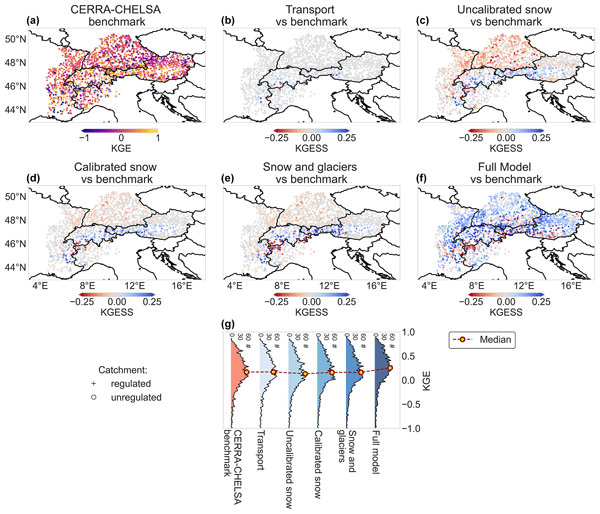
Process representation in hyper-resolution large-scale hydrological models (LHMs) limits model performance, particularly in mountain regions. Here, we update mountain process representation in an LHM and compare different meteorological forcing products. Structural and parametric changes in snow, glacier, and soil processes improve discharge simulations, while meteorological forcing remains a major control on model performance. Our work can guide future development of LHMs.
Barry van Jaarsveld, Niko Wanders, Edwin H. Sutanudjaja, Jannis Hoch, Bram Droppers, Joren Janzing, Rens L. P. H. van Beek, and Marc F. P. Bierkens
Earth Syst. Dynam., 16, 29–54, https://doi.org/10.5194/esd-16-29-2025, https://doi.org/10.5194/esd-16-29-2025, 2025
Short summary
Short summary
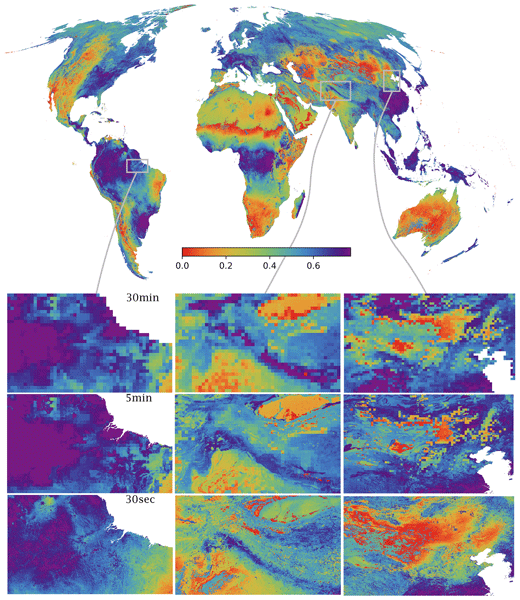
Policy makers use global hydrological models to develop water management strategies and policies. However, it would be better if these models provided information at higher resolution. We present a first-of-its-kind, truly global hyper-resolution model and show that hyper-resolution brings about better estimates of river discharge, and this is especially true for smaller catchments. Our results also suggest that future hyper-resolution models need to include more detailed land cover information.
Barry van Jaarsveld, Sandra M. Hauswirth, and Niko Wanders
Hydrol. Earth Syst. Sci., 28, 2357–2374, https://doi.org/10.5194/hess-28-2357-2024, https://doi.org/10.5194/hess-28-2357-2024, 2024
Short summary
Short summary
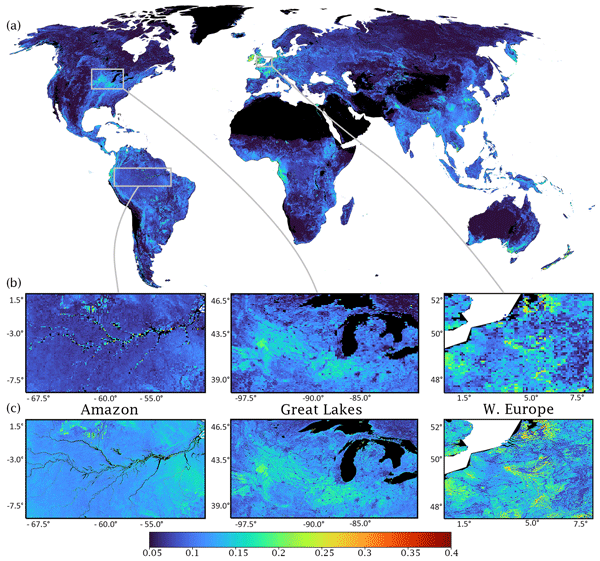
Drought often manifests itself in vegetation; however, obtaining high-resolution remote-sensing products that are spatially and temporally consistent is difficult. In this study, we show that machine learning (ML) can fill data gaps in existing products. We also demonstrate that ML can be used as a downscaling tool. By relying on ML for gap filling and downscaling, we can obtain a more holistic view of the impacts of drought on vegetation.
Xueying Li, Yan Sun, Xihui Gu, Niko Wanders, Bridget R. Scanlon, and Louise J. Slater
Earth Syst. Sci. Data Discuss., https://doi.org/10.5194/essd-2026-282, https://doi.org/10.5194/essd-2026-282, 2026
Preprint under review for ESSD
Short summary
Short summary
Existing datasets of terrestrial water storage anomalies are too coarse to capture sub-regional variations, limiting understanding of fine-scale water processes. Here we use physically guided deep learning to produce a higher-resolution dataset across China for 2002–2023, increasing spatial detail from 3° to 0.1° resolution. The dataset preserves large-scale satellite observations and shows good consistency in process-based evaluations, supporting sub-regional hydrologic analysis.
Denise Ruijsch, Sandra Margrit Hauswirth, Hester Biemans, and Niko Wanders
Earth Syst. Dynam., 17, 607–630, https://doi.org/10.5194/esd-17-607-2026, https://doi.org/10.5194/esd-17-607-2026, 2026
Short summary
Short summary
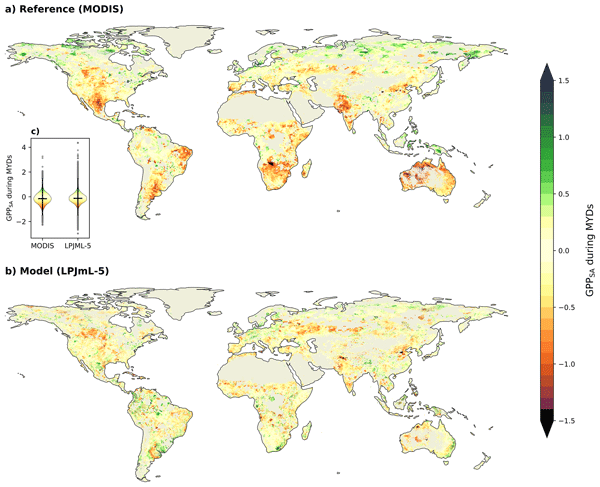
We studied how plants respond to long droughts using model simulations and satellite data. The model reproduces drought impacts fairly well but tends to show plants recovering too quickly. Improving how the model represents plant stress and recovery will help predict how ecosystems respond to more frequent and severe droughts in the future.
Saskia Salwey, Sandra Hauswirth, Denise Ruijsch, Barry van Jaarsveld, Jonna van Mourik, and Niko Wanders
EGUsphere, https://doi.org/10.5194/egusphere-2026-2335, https://doi.org/10.5194/egusphere-2026-2335, 2026
Short summary
Short summary
This paper investigates how weather conditions influence droughts in groundwater. We focus on understanding why some groundwater droughts last for several years, since these long events can be difficult to manage and have particularly bad impacts. We find that some features of the groundwater system can worsen the effects of dry weather, making long groundwater droughts more likely. We categorize global groundwater data into three groups to describe how it is impacted by the weather.
Ehsan Modiri, Oldrich Rakovec, Pallav Kumar Shrestha, Almudena García-García, Leandro Avila, Katie Blackford, Elizabeth Cooper, Bram Droppers, Paolo Filippucci, Milan Fischer, Matěj Orság, Pietro Stradiotti, Luca Brocca, Douglas B. Clark, Wouter Dorigo, Stefan Kollet, Jian Peng, Niko Wanders, and Luis Samaniego
EGUsphere, https://doi.org/10.5194/egusphere-2026-1012, https://doi.org/10.5194/egusphere-2026-1012, 2026
Short summary
Short summary
Drought impacts water supply, agriculture, and ecosystems, yet hydrological models often disagree on when and where drought occurs. This study tested whether satellite observations can improve how models represent soil moisture drought in the Rhine River basin. Using several models and major drought events, we show that satellite data improve spatial realism and reveal important differences among models, helping to better understand uncertainty in drought monitoring and early warning.
Joren Janzing, Niko Wanders, Marit van Tiel, Barry van Jaarsveld, Dirk N. Karger, and Manuela I. Brunner
Hydrol. Earth Syst. Sci., 29, 7041–7071, https://doi.org/10.5194/hess-29-7041-2025, https://doi.org/10.5194/hess-29-7041-2025, 2025
Short summary
Short summary
Process representation in hyper-resolution large-scale hydrological models (LHMs) limits model performance, particularly in mountain regions. Here, we update mountain process representation in an LHM and compare different meteorological forcing products. Structural and parametric changes in snow, glacier, and soil processes improve discharge simulations, while meteorological forcing remains a major control on model performance. Our work can guide future development of LHMs.
Qing He, Naota Hanasaki, Akiko Matsumura, Edwin H. Sutanudjaja, and Taikan Oki
Geosci. Model Dev., 18, 9653–9686, https://doi.org/10.5194/gmd-18-9653-2025, https://doi.org/10.5194/gmd-18-9653-2025, 2025
Short summary
Short summary
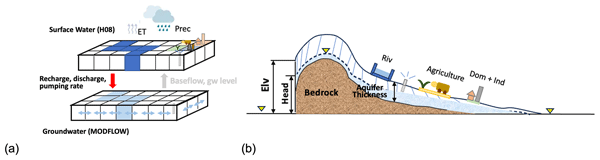
This work presents a global groundwater modeling framework at 5 arcmin resolution, developed through an offline coupling of the H08 water resource model and MODFLOW6. The model includes a single-layer aquifer and is designed to capture long-term mean groundwater dynamics under varying climate types. The manuscript describes the model structure, input datasets, and evaluation against available observations.
Jennie C. Steyaert, Edwin H. Sutanudjaja, Marc Bierkens, and Niko Wanders
Hydrol. Earth Syst. Sci., 29, 6499–6527, https://doi.org/10.5194/hess-29-6499-2025, https://doi.org/10.5194/hess-29-6499-2025, 2025
Short summary
Short summary
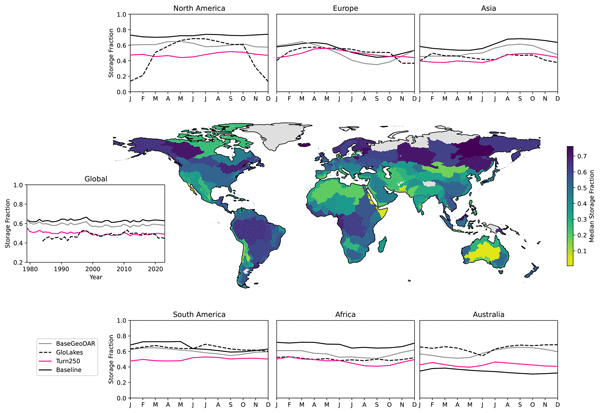
Using machine learning techniques and remotely sensed reservoir data, we develop a workflow to derive reservoir storage bounds. We put these bounds in a global hydrologic model, PCR-GLOBWB 2, and evaluate the difference between generalized operations (the schemes typically in global models) and this data derived method. We find that modelled storage is more accurate in the data derived operations. We also find that generalized operations over estimate storage and can underestimate water gaps.
Sneha Chevuru, Rens L. P. H. van Beek, Michelle T. H. van Vliet, Jerom P. M. Aerts, and Marc F. P. Bierkens
Hydrol. Earth Syst. Sci., 29, 4219–4239, https://doi.org/10.5194/hess-29-4219-2025, https://doi.org/10.5194/hess-29-4219-2025, 2025
Short summary
Short summary
This study combines the global hydrological model
PCRaster Global Water Balancewith the
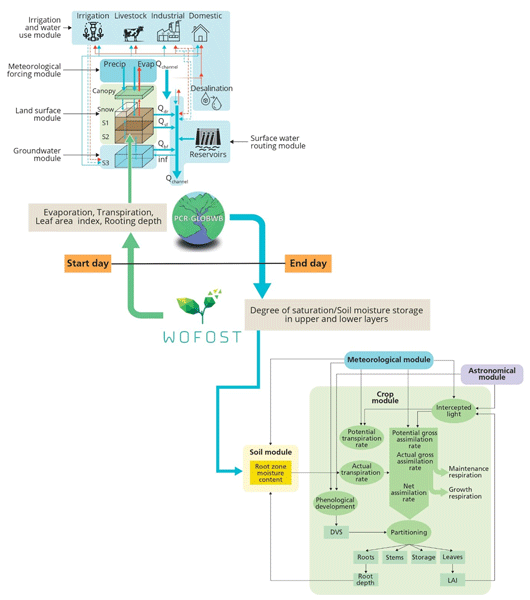
World Food Studiescrop model to analyze feedbacks between hydrology and crop growth. It quantifies one-way and two-way interactions, revealing patterns in crop yield and irrigation water use. Dynamic interactions enhance understanding of climate variability impacts on food production, highlighting the importance of two-way model coupling for accurate assessments.
Nicole Gyakowah Otoo, Edwin H. Sutanudjaja, Michelle T. H. van Vliet, Aafke M. Schipper, and Marc F. P. Bierkens
Hydrol. Earth Syst. Sci., 29, 2153–2165, https://doi.org/10.5194/hess-29-2153-2025, https://doi.org/10.5194/hess-29-2153-2025, 2025
Short summary
Short summary
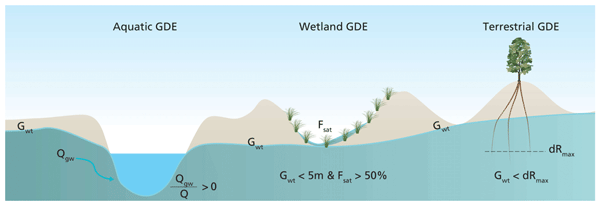
The contribution of groundwater to groundwater-dependent ecosystems (GDEs) is declining as a result of an increase in groundwater abstractions and climate change. This may lead to loss of habitat and biodiversity. This proposed framework enables the mapping and understanding of the temporal and spatial dynamics of GDEs on a large scale. The next step is to assess the global impacts of climate change and water use on GDE extent and health.
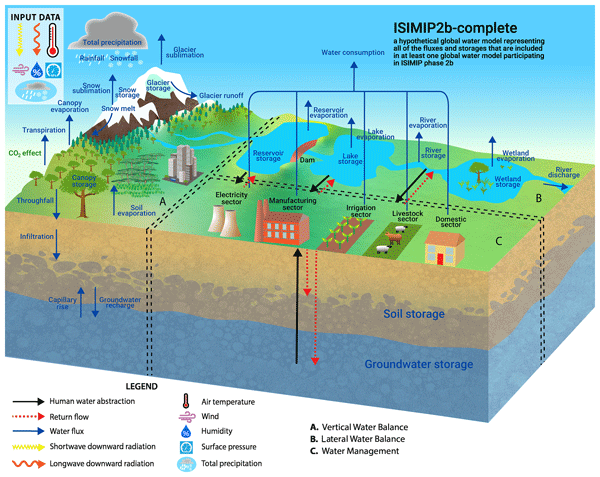
Hannes Müller Schmied, Simon Newland Gosling, Marlo Garnsworthy, Laura Müller, Camelia-Eliza Telteu, Atiq Kainan Ahmed, Lauren Seaby Andersen, Julien Boulange, Peter Burek, Jinfeng Chang, He Chen, Lukas Gudmundsson, Manolis Grillakis, Luca Guillaumot, Naota Hanasaki, Aristeidis Koutroulis, Rohini Kumar, Guoyong Leng, Junguo Liu, Xingcai Liu, Inga Menke, Vimal Mishra, Yadu Pokhrel, Oldrich Rakovec, Luis Samaniego, Yusuke Satoh, Harsh Lovekumar Shah, Mikhail Smilovic, Tobias Stacke, Edwin Sutanudjaja, Wim Thiery, Athanasios Tsilimigkras, Yoshihide Wada, Niko Wanders, and Tokuta Yokohata
Geosci. Model Dev., 18, 2409–2425, https://doi.org/10.5194/gmd-18-2409-2025, https://doi.org/10.5194/gmd-18-2409-2025, 2025
Short summary
Short summary
Global water models contribute to the evaluation of important natural and societal issues but are – as all models – simplified representation of reality. So, there are many ways to calculate the water fluxes and storages. This paper presents a visualization of 16 global water models using a standardized visualization and the pathway towards this common understanding. Next to academic education purposes, we envisage that these diagrams will help researchers, model developers, and data users.
Barry van Jaarsveld, Niko Wanders, Edwin H. Sutanudjaja, Jannis Hoch, Bram Droppers, Joren Janzing, Rens L. P. H. van Beek, and Marc F. P. Bierkens
Earth Syst. Dynam., 16, 29–54, https://doi.org/10.5194/esd-16-29-2025, https://doi.org/10.5194/esd-16-29-2025, 2025
Short summary
Short summary
Policy makers use global hydrological models to develop water management strategies and policies. However, it would be better if these models provided information at higher resolution. We present a first-of-its-kind, truly global hyper-resolution model and show that hyper-resolution brings about better estimates of river discharge, and this is especially true for smaller catchments. Our results also suggest that future hyper-resolution models need to include more detailed land cover information.
Barry van Jaarsveld, Sandra M. Hauswirth, and Niko Wanders
Hydrol. Earth Syst. Sci., 28, 2357–2374, https://doi.org/10.5194/hess-28-2357-2024, https://doi.org/10.5194/hess-28-2357-2024, 2024
Short summary
Short summary
Drought often manifests itself in vegetation; however, obtaining high-resolution remote-sensing products that are spatially and temporally consistent is difficult. In this study, we show that machine learning (ML) can fill data gaps in existing products. We also demonstrate that ML can be used as a downscaling tool. By relying on ML for gap filling and downscaling, we can obtain a more holistic view of the impacts of drought on vegetation.
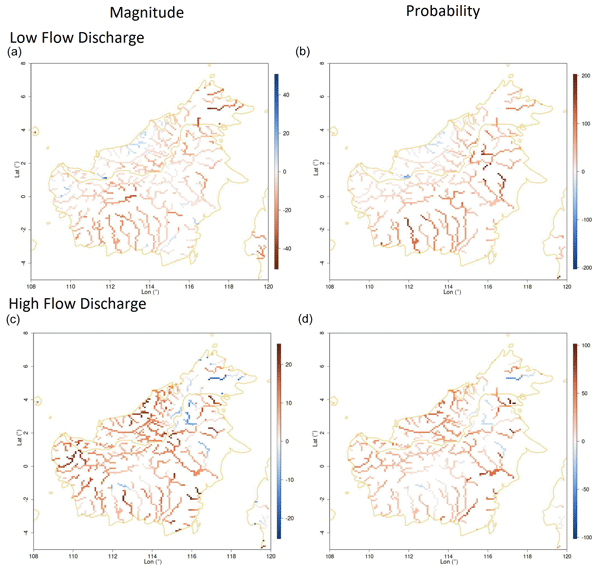
Mugni Hadi Hariadi, Gerard van der Schrier, Gert-Jan Steeneveld, Samuel J. Sutanto, Edwin Sutanudjaja, Dian Nur Ratri, Ardhasena Sopaheluwakan, and Albert Klein Tank
Hydrol. Earth Syst. Sci., 28, 1935–1956, https://doi.org/10.5194/hess-28-1935-2024, https://doi.org/10.5194/hess-28-1935-2024, 2024
Short summary
Short summary
We utilize the high-resolution CMIP6 for extreme rainfall and streamflow projection over Southeast Asia. This region will experience an increase in both dry and wet extremes in the near future. We found a more extreme low flow and high flow, along with an increasing probability of low-flow and high-flow events. We reveal that the changes in low-flow events and their probabilities are not only influenced by extremely dry climates but also by the catchment characteristics.
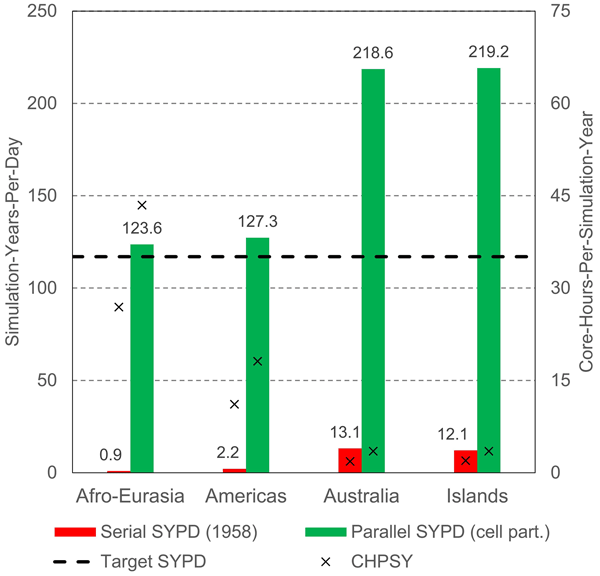
Jarno Verkaik, Edwin H. Sutanudjaja, Gualbert H. P. Oude Essink, Hai Xiang Lin, and Marc F. P. Bierkens
Geosci. Model Dev., 17, 275–300, https://doi.org/10.5194/gmd-17-275-2024, https://doi.org/10.5194/gmd-17-275-2024, 2024
Short summary
Short summary
This paper presents the parallel PCR-GLOBWB global-scale groundwater model at 30 arcsec resolution (~1 km at the Equator). Named GLOBGM v1.0, this model is a follow-up of the 5 arcmin (~10 km) model, aiming for a higher-resolution simulation of worldwide fresh groundwater reserves under climate change and excessive pumping. For a long transient simulation using a parallel prototype of MODFLOW 6, we show that our implementation is efficient for a relatively low number of processor cores.
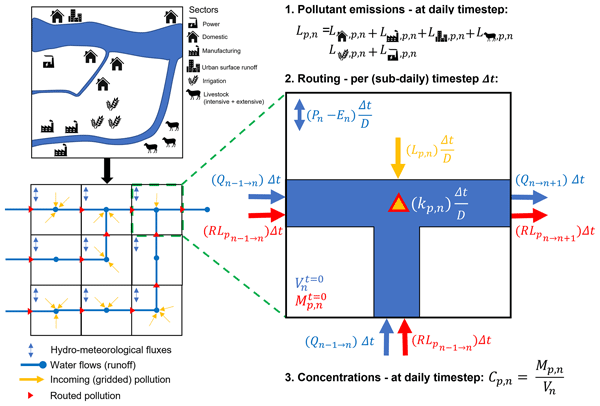
Edward R. Jones, Marc F. P. Bierkens, Niko Wanders, Edwin H. Sutanudjaja, Ludovicus P. H. van Beek, and Michelle T. H. van Vliet
Geosci. Model Dev., 16, 4481–4500, https://doi.org/10.5194/gmd-16-4481-2023, https://doi.org/10.5194/gmd-16-4481-2023, 2023
Short summary
Short summary
DynQual is a new high-resolution global water quality model for simulating total dissolved solids, biological oxygen demand and fecal coliform as indicators of salinity, organic pollution and pathogen pollution, respectively. Output data from DynQual can supplement the observational record of water quality data, which is highly fragmented across space and time, and has the potential to inform assessments in a broad range of fields including ecological, human health and water scarcity studies.
Jannis M. Hoch, Edwin H. Sutanudjaja, Niko Wanders, Rens L. P. H. van Beek, and Marc F. P. Bierkens
Hydrol. Earth Syst. Sci., 27, 1383–1401, https://doi.org/10.5194/hess-27-1383-2023, https://doi.org/10.5194/hess-27-1383-2023, 2023
Short summary
Short summary
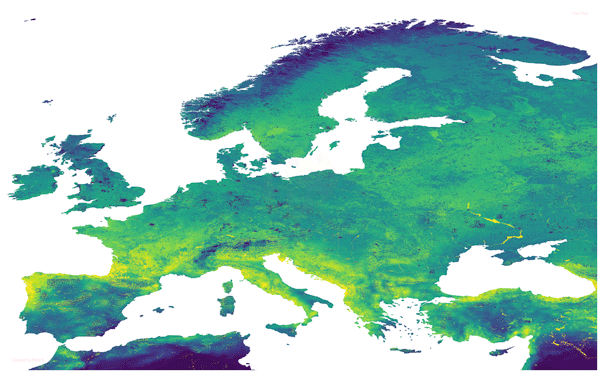
To facilitate locally relevant simulations over large areas, global hydrological models (GHMs) have moved towards ever finer spatial resolutions. After a decade-long quest for hyper-resolution (i.e. equal to or smaller than 1 km), the presented work is a first application of a GHM at 1 km resolution over Europe. This not only shows that hyper-resolution can be achieved but also allows for a thorough evaluation of model results at unprecedented detail and the formulation of future research.
Sandra M. Hauswirth, Marc F. P. Bierkens, Vincent Beijk, and Niko Wanders
Hydrol. Earth Syst. Sci., 27, 501–517, https://doi.org/10.5194/hess-27-501-2023, https://doi.org/10.5194/hess-27-501-2023, 2023
Short summary
Short summary
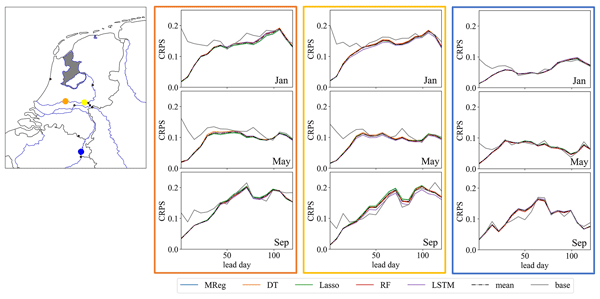
Forecasts on water availability are important for water managers. We test a hybrid framework based on machine learning models and global input data for generating seasonal forecasts. Our evaluation shows that our discharge and surface water level predictions are able to create reliable forecasts up to 2 months ahead. We show that a hybrid framework, developed for local purposes and combined and rerun with global data, can create valuable information similar to large-scale forecasting models.
Sigrid Jørgensen Bakke, Niko Wanders, Karin van der Wiel, and Lena Merete Tallaksen
Nat. Hazards Earth Syst. Sci., 23, 65–89, https://doi.org/10.5194/nhess-23-65-2023, https://doi.org/10.5194/nhess-23-65-2023, 2023
Short summary
Short summary
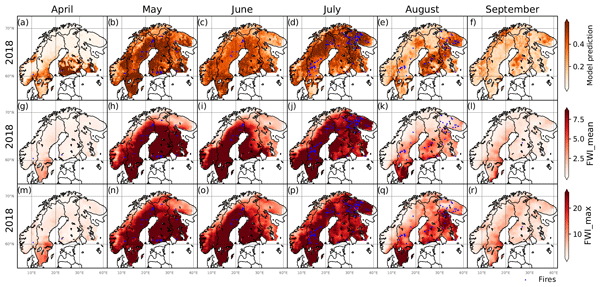
In this study, we developed a machine learning model to identify dominant controls of wildfire in Fennoscandia and produce monthly fire danger probability maps. The dominant control was shallow-soil water anomaly, followed by air temperature and deep soil water. The model proved skilful with a similar performance as the existing Canadian Forest Fire Weather Index (FWI). We highlight the benefit of using data-driven models jointly with other fire models to improve fire monitoring and prediction.

Pau Wiersma, Jerom Aerts, Harry Zekollari, Markus Hrachowitz, Niels Drost, Matthias Huss, Edwin H. Sutanudjaja, and Rolf Hut
Hydrol. Earth Syst. Sci., 26, 5971–5986, https://doi.org/10.5194/hess-26-5971-2022, https://doi.org/10.5194/hess-26-5971-2022, 2022
Short summary
Short summary
We test whether coupling a global glacier model (GloGEM) with a global hydrological model (PCR-GLOBWB 2) leads to a more realistic glacier representation and to improved basin runoff simulations across 25 large-scale basins. The coupling does lead to improved glacier representation, mainly by accounting for glacier flow and net glacier mass loss, and to improved basin runoff simulations, mostly in strongly glacier-influenced basins, which is where the coupling has the most impact.
Vili Virkki, Elina Alanärä, Miina Porkka, Lauri Ahopelto, Tom Gleeson, Chinchu Mohan, Lan Wang-Erlandsson, Martina Flörke, Dieter Gerten, Simon N. Gosling, Naota Hanasaki, Hannes Müller Schmied, Niko Wanders, and Matti Kummu
Hydrol. Earth Syst. Sci., 26, 3315–3336, https://doi.org/10.5194/hess-26-3315-2022, https://doi.org/10.5194/hess-26-3315-2022, 2022
Short summary
Short summary
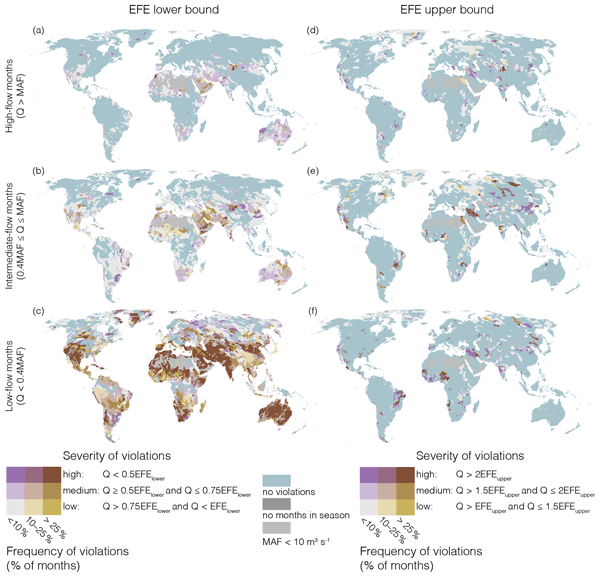
Direct and indirect human actions have altered streamflow across the world since pre-industrial times. Here, we apply a method of environmental flow envelopes (EFEs) that develops the existing global environmental flow assessments by methodological advances and better consideration of uncertainty. By assessing the violations of the EFE, we comprehensively quantify the frequency, severity, and trends of flow alteration during the past decades, illustrating anthropogenic effects on streamflow.
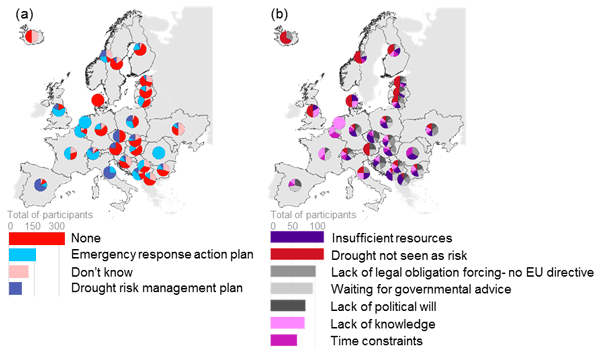
Veit Blauhut, Michael Stoelzle, Lauri Ahopelto, Manuela I. Brunner, Claudia Teutschbein, Doris E. Wendt, Vytautas Akstinas, Sigrid J. Bakke, Lucy J. Barker, Lenka Bartošová, Agrita Briede, Carmelo Cammalleri, Ksenija Cindrić Kalin, Lucia De Stefano, Miriam Fendeková, David C. Finger, Marijke Huysmans, Mirjana Ivanov, Jaak Jaagus, Jiří Jakubínský, Svitlana Krakovska, Gregor Laaha, Monika Lakatos, Kiril Manevski, Mathias Neumann Andersen, Nina Nikolova, Marzena Osuch, Pieter van Oel, Kalina Radeva, Renata J. Romanowicz, Elena Toth, Mirek Trnka, Marko Urošev, Julia Urquijo Reguera, Eric Sauquet, Aleksandra Stevkov, Lena M. Tallaksen, Iryna Trofimova, Anne F. Van Loon, Michelle T. H. van Vliet, Jean-Philippe Vidal, Niko Wanders, Micha Werner, Patrick Willems, and Nenad Živković
Nat. Hazards Earth Syst. Sci., 22, 2201–2217, https://doi.org/10.5194/nhess-22-2201-2022, https://doi.org/10.5194/nhess-22-2201-2022, 2022
Short summary
Short summary
Recent drought events caused enormous damage in Europe. We therefore questioned the existence and effect of current drought management strategies on the actual impacts and how drought is perceived by relevant stakeholders. Over 700 participants from 28 European countries provided insights into drought hazard and impact perception and current management strategies. The study concludes with an urgent need to collectively combat drought risk via a European macro-level drought governance approach.
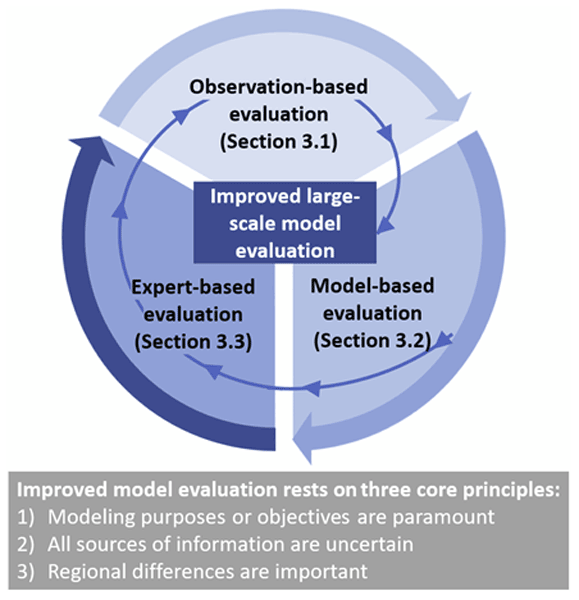
Tom Gleeson, Thorsten Wagener, Petra Döll, Samuel C. Zipper, Charles West, Yoshihide Wada, Richard Taylor, Bridget Scanlon, Rafael Rosolem, Shams Rahman, Nurudeen Oshinlaja, Reed Maxwell, Min-Hui Lo, Hyungjun Kim, Mary Hill, Andreas Hartmann, Graham Fogg, James S. Famiglietti, Agnès Ducharne, Inge de Graaf, Mark Cuthbert, Laura Condon, Etienne Bresciani, and Marc F. P. Bierkens
Geosci. Model Dev., 14, 7545–7571, https://doi.org/10.5194/gmd-14-7545-2021, https://doi.org/10.5194/gmd-14-7545-2021, 2021
Short summary
Short summary
Groundwater is increasingly being included in large-scale (continental to global) land surface and hydrologic simulations. However, it is challenging to evaluate these simulations because groundwater is
hiddenunderground and thus hard to measure. We suggest using multiple complementary strategies to assess the performance of a model (
model evaluation).
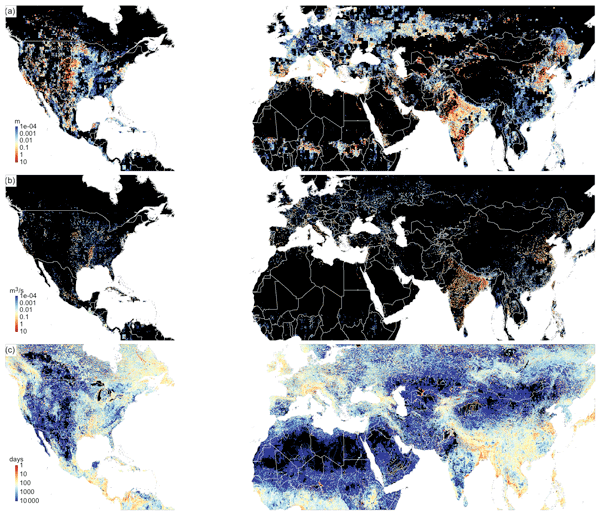
Marc F. P. Bierkens, Edwin H. Sutanudjaja, and Niko Wanders
Hydrol. Earth Syst. Sci., 25, 5859–5878, https://doi.org/10.5194/hess-25-5859-2021, https://doi.org/10.5194/hess-25-5859-2021, 2021
Short summary
Short summary
We introduce a simple analytical framework that allows us to estimate to what extent large-scale groundwater withdrawal affects groundwater levels and streamflow. It also calculates which part of the groundwater withdrawal comes out of groundwater storage and which part from a reduction in streamflow. Global depletion rates obtained with the framework are compared with estimates from satellites, from global- and continental-scale groundwater models, and from in situ datasets.
Cited articles
Asher, M. J., Croke, B. F. W., Jakeman, A. J., and Peeters, L. J. M.: A Review of Surrogate Models and Their Application to Groundwater Modeling, Water Resour. Res., 51, 5957–5973, https://doi.org/10.1002/2015WR016967, 2015. a
Bäthge, A., Ruz Vargas, C., Lischeid, G., Collenteur, R., Cuthbert, M., Fleckenstein, J., Flörke, M., de Graaf, I., Gnann, S., Hartmann, A., Huggins, X., Moosdorf, N., Wada, Y., Wagener, T., and Reinecke, R.: A Global-Scale Time Series Dataset for Groundwater Studies within the Earth System, Scientific Data, 13, 401, https://doi.org/10.1038/s41597-026-06966-1, 2026. a, b, c
Bennett, A., Tran, H., De La Fuente, L., Triplett, A., Ma, Y., Melchior, P., Maxwell, R. M., and Condon, L. E.: Spatio-Temporal Machine Learning for Regional to Continental Scale Terrestrial Hydrology, J. Adv. Model. Earth Sy., 16, e2023MS004095, https://doi.org/10.1029/2023MS004095, 2024. a
Béraud, T., Claprood, M., and Gloaguen, E.: A Sequential Ensemble Smoother for Multiple Data Assimilation in Hydrogeological Modeling, Front. Water, 6, https://doi.org/10.3389/frwa.2024.1462914, 2024. a, b
Bierkens, M. F. P.: Global Hydrology 2015: State, Trends, and Directions, Water Resour. Res., 51, 4923–4947, https://doi.org/10.1002/2015WR017173, 2015. a
Bierkens, M. F. P. and Wada, Y.: Non-Renewable Groundwater Use and Groundwater Depletion: A Review, Environ. Res. Lett., 14, 063002, https://doi.org/10.1088/1748-9326/ab1a5f, 2019. a, b, c, d
Bierkens, M. F. P., Bell, V. A., Burek, P., Chaney, N., Condon, L. E., David, C. H., De Roo, A., Döll, P., Drost, N., Famiglietti, J. S., Flörke, M., Gochis, D. J., Houser, P., Hut, R., Keune, J., Kollet, S., Maxwell, R. M., Reager, J. T., Samaniego, L., Sudicky, E., Sutanudjaja, E. H., Van De Giesen, N., Winsemius, H., and Wood, E. F.: Hyper-Resolution Global Hydrological Modelling: What Is next?: “Everywhere and Locally Relevant”, Hydrol. Process., 29, 310–320, https://doi.org/10.1002/hyp.10391, 2015. a, b, c
Bierkens, M. F. P., Sutanudjaja, E. H., and Wanders, N.: Large-scale sensitivities of groundwater and surface water to groundwater withdrawal, Hydrol. Earth Syst. Sci., 25, 5859–5878, https://doi.org/10.5194/hess-25-5859-2021, 2021. a
Boucher, O., Servonnat, J., Albright, A. L., Aumont, O., Balkanski, Y., Bastrikov, V., Bekki, S., Bonnet, R., Bony, S., Bopp, L., Braconnot, P., Brockmann, P., Cadule, P., Caubel, A., Cheruy, F., Codron, F., Cozic, A., Cugnet, D., D'Andrea, F., Davini, P., De Lavergne, C., Denvil, S., Deshayes, J., Devilliers, M., Ducharne, A., Dufresne, J.-L., Dupont, E., Éthé, C., Fairhead, L., Falletti, L., Flavoni, S., Foujols, M.-A., Gardoll, S., Gastineau, G., Ghattas, J., Grandpeix, J.-Y., Guenet, B., Guez, E., L., Guilyardi, E., Guimberteau, M., Hauglustaine, D., Hourdin, F., Idelkadi, A., Joussaume, S., Kageyama, M., Khodri, M., Krinner, G., Lebas, N., Levavasseur, G., Lévy, C., Li, L., Lott, F., Lurton, T., Luyssaert, S., Madec, G., Madeleine, J.-B., Maignan, F., Marchand, M., Marti, O., Mellul, L., Meurdesoif, Y., Mignot, J., Musat, I., Ottlé, C., Peylin, P., Planton, Y., Polcher, J., Rio, C., Rochetin, N., Rousset, C., Sepulchre, P., Sima, A., Swingedouw, D., Thiéblemont, R., Traore, A. K., Vancoppenolle, M., Vial, J., Vialard, J., Viovy, N., and Vuichard, N.: Presentation and Evaluation of the IPSL-CM6A-LR Climate Model, J. Adv. Model. Earth Sy., 12, e2019MS002010, https://doi.org/10.1029/2019MS002010, 2020. a
Brown, C. F., Kazmierski, M. R., Pasquarella, V. J., Rucklidge, W. J., Samsikova, M., Zhang, C., Shelhamer, E., Lahera, E., Wiles, O., Ilyushchenko, S., Gorelick, N., Zhang, L. L., Alj, S., Schechter, E., Askay, S., Guinan, O., Moore, R., Boukouvalas, A., and Kohli, P.: AlphaEarth Foundations: An Embedding Field Model for Accurate and Efficient Global Mapping from Sparse Label Data, arXiv [preprint], https://doi.org/10.48550/arXiv.2507.22291, 2025. a
Brun, P., Zimmermann, N. E., Hari, C., Pellissier, L., and Karger, D. N.: CHELSA-BIOCLIM+ A Novel Set of Global Climate-Related Predictors at Kilometre-Resolution, EnviDat, https://doi.org/10.16904/ENVIDAT.332, 2022a. a
Brun, P., Zimmermann, N. E., Hari, C., Pellissier, L., and Karger, D. N.: Global climate-related predictors at kilometer resolution for the past and future, Earth Syst. Sci. Data, 14, 5573–5603, https://doi.org/10.5194/essd-14-5573-2022, 2022b. a, b
Chen, Z., Goldscheider, N., Auler, A., Bakalowicz, M., Broda, S., Drew, D., Hartmann, J., Jiang, G., Moosdorf, N., Richts, A., Stevanovic, Z., Veni, G., Dumont, A., Aureli, A., Clos, P., and Krombholz, M.: World Karst Aquifer Map (WHYMAP WOKAM), BGR, IAH, KIT, UNESCO, https://doi.org/10.25928/B2.21_SFKQ-R406, 2017. a, b
Cochand, M., Molson, J., and Lemieux, J.-M.: Groundwater Hydrogeochemistry in Permafrost Regions, Permafrost Periglac., 30, 90–103, https://doi.org/10.1002/ppp.1998, 2019. a
Condon, L. E., Atchley, A. L., and Maxwell, R. M.: Evapotranspiration Depletes Groundwater under Warming over the Contiguous United States, Nat. Commun., 11, 873, https://doi.org/10.1038/s41467-020-14688-0, 2020. a
Condon, L. E., Kollet, S., Bierkens, M. F. P., Fogg, G. E., Maxwell, R. M., Hill, M. C., Fransen, H.-J. H., Verhoef, A., Van Loon, A. F., Sulis, M., and Abesser, C.: Global Groundwater Modeling and Monitoring: Opportunities and Challenges, Water Resour. Res., 57, e2020WR029500, https://doi.org/10.1029/2020WR029500, 2021. a, b, c
Custodio, E.: Intensive Groundwater Development: A Water Cycle Transformation, a Social Revolution, a Management Challenge, in: Re-Thinking Water and Food Security, CRC Press, ISBN 978-0-429-21299-4, 2010. a
Cuthbert, M. O., Taylor, R. G., Favreau, G., Todd, M. C., Shamsudduha, M., Villholth, K. G., MacDonald, A. M., Scanlon, B. R., Kotchoni, D. O. V., Vouillamoz, J.-M., Lawson, F. M. A., Adjomayi, P. A., Kashaigili, J., Seddon, D., Sorensen, J. P. R., Ebrahim, G. Y., Owor, M., Nyenje, P. M., Nazoumou, Y., Goni, I., Ousmane, B. I., Sibanda, T., Ascott, M. J., Macdonald, D. M. J., Agyekum, W., Koussoubé, Y., Wanke, H., Kim, H., Wada, Y., Lo, M.-H., Oki, T., and Kukuric, N.: Observed Controls on Resilience of Groundwater to Climate Variability in Sub-Saharan Africa, Nature, 572, 230–234, https://doi.org/10.1038/s41586-019-1441-7, 2019. a
de Graaf, I. E. M., van Beek, L. P. H., Gleeson, T., Moosdorf, N., Schmitz, O., Sutanudjaja, E. H., and Bierkens, M. F. P.: A Global-Scale Two-Layer Transient Groundwater Model: Development and Application to Groundwater Depletion, Adv. Water Resour., 102, 53–67, https://doi.org/10.1016/j.advwatres.2017.01.011, 2017. a, b, c, d, e, f, g, h, i, j, k, l
de Graaf, I. E. M., Gleeson, T., van Beek, L. P. H., Sutanudjaja, E. H., and Bierkens, M. F. P.: Environmental Flow Limits to Global Groundwater Pumping, Nature, 574, 90–94, https://doi.org/10.1038/s41586-019-1594-4, 2019. a, b, c
de Graaf, I. E. M., Marinelli, B., and Liu, S.: Global Analysis of Groundwater Pumping from Increased River Capture, Environ. Res. Lett., 19, 044064, https://doi.org/10.1088/1748-9326/ad383d, 2024. a
Diak, M., Böttcher, M. E., Ehlert Von Ahn, C. M., Hong, W.-L., Kędra, M., Kotwicki, L., Koziorowska-Makuch, K., Kuliński, K., Lepland, A., Makuch, P., Sen, A., Winogradow, A., Silberberger, M. J., and Szymczycha, B.: Permafrost and Groundwater Interaction: Current State and Future Perspective, Front. Earth Sci., 11, 1254309, https://doi.org/10.3389/feart.2023.1254309, 2023. a
Doherty, J.: Ground Water Model Calibration Using Pilot Points and Regularization, Groundwater, 41, 170–177, https://doi.org/10.1111/j.1745-6584.2003.tb02580.x, 2003. a
Döll, P., Hoffmann-Dobrev, H., Portmann, F. T., Siebert, S., Eicker, A., Rodell, M., Strassberg, G., and Scanlon, B. R.: Impact of Water Withdrawals from Groundwater and Surface Water on Continental Water Storage Variations, J. Geodyn., 59–60, 143–156, https://doi.org/10.1016/j.jog.2011.05.001, 2012. a, b
Döll, P., Fritsche, M., Eicker, A., and Müller Schmied, H.: Seasonal Water Storage Variations as Impacted by Water Abstractions: Comparing the Output of a Global Hydrological Model with GRACE and GPS Observations, Surv. Geophys., 35, 1311–1331, https://doi.org/10.1007/s10712-014-9282-2, 2014. a
Dorigo, W., Wagner, W., Albergel, C., Albrecht, F., Balsamo, G., Brocca, L., Chung, D., Ertl, M., Forkel, M., Gruber, A., Haas, E., Hamer, P. D., Hirschi, M., Ikonen, J., De Jeu, R., Kidd, R., Lahoz, W., Liu, Y. Y., Miralles, D., Mistelbauer, T., Nicolai-Shaw, N., Parinussa, R., Pratola, C., Reimer, C., Van Der Schalie, R., Seneviratne, S. I., Smolander, T., and Lecomte, P.: ESA CCI Soil Moisture for Improved Earth System Understanding: State-of-the Art and Future Directions, Remote Sens. Environ., 203, 185–215, https://doi.org/10.1016/j.rse.2017.07.001, 2017. a
Dunne, J. P., Horowitz, L. W., Adcroft, A. J., Ginoux, P., Held, I. M., John, J. G., Krasting, J. P., Malyshev, S., Naik, V., Paulot, F., Shevliakova, E., Stock, C. A., Zadeh, N., Balaji, V., Blanton, C., Dunne, K. A., Dupuis, C., Durachta, J., Dussin, R., Gauthier, P. P. G., Griffies, S. M., Guo, H., Hallberg, R. W., Harrison, M., He, J., Hurlin, W., McHugh, C., Menzel, R., Milly, P. C. D., Nikonov, S., Paynter, D. J., Ploshay, J., Radhakrishnan, A., Rand, K., Reichl, B. G., Robinson, T., Schwarzkopf, D. M., Sentman, L. T., Underwood, S., Vahlenkamp, H., Winton, M., Wittenberg, A. T., Wyman, B., Zeng, Y., and Zhao, M.: The GFDL Earth System Model Version 4.1 (GFDL-ESM 4.1): Overall Coupled Model Description and Simulation Characteristics, J. Adv. Model. Earth Sy., 12, e2019MS002015, https://doi.org/10.1029/2019MS002015, 2020. a
Eccles, R., Syktus, J., Trancoso, R., Chapman, S., Wasko, C., Evans, J. P., Thatcher, M., Di Virgilio, G., and Stassen, C.: Substantial Increases in Future Precipitation Extremes – Insights from a Large Ensemble of Downscaled CMIP6 Models, npj Nat. Hazards, 2, 60, https://doi.org/10.1038/s44304-025-00107-1, 2025. a
Fan, Y., Li, H., and Miguez-Macho, G.: Global Patterns of Groundwater Table Depth, Science, 339, 940–943, https://doi.org/10.1126/science.1229881, 2013. a, b, c, d
Felfelani, F., Wada, Y., Longuevergne, L., and Pokhrel, Y. N.: Natural and Human-Induced Terrestrial Water Storage Change: A Global Analysis Using Hydrological Models and GRACE, J. Hydrol., 553, 105–118, https://doi.org/10.1016/j.jhydrol.2017.07.048, 2017. a
Ford, T. W. and Frauenfeld, O. W.: Surface–Atmosphere Moisture Interactions in the Frozen Ground Regions of Eurasia, Sci. Rep., 6, 19163, https://doi.org/10.1038/srep19163, 2016. a
Gädeke, A., Krysanova, V., Aryal, A., Chang, J., Grillakis, M., Hanasaki, N., Koutroulis, A., Pokhrel, Y., Satoh, Y., Schaphoff, S., Müller Schmied, H., Stacke, T., Tang, Q., Wada, Y., and Thonicke, K.: Performance Evaluation of Global Hydrological Models in Six Large Pan-Arctic Watersheds, Climatic Change, 163, 1329–1351, https://doi.org/10.1007/s10584-020-02892-2, 2020. a, b
Galelli, S., Turner, S. W. D., Pokhrel, Y., Yi Ng., J., Castelletti, A., Bierkens, M. F. P., Pianosi, F., and Biemans, H.: Advancing the Representation of Human Actions in Large-Scale Hydrological Models: Challenges and Future Research Directions, Water Resour. Res., 61, e2024WR039486, https://doi.org/10.1029/2024WR039486, 2025. a
Garrick, D. E., Hall, J. W., Dobson, A., Damania, R., Grafton, R. Q., Hope, R., Hepburn, C., Bark, R., Boltz, F., De Stefano, L., O'Donnell, E., Matthews, N., and Money, A.: Valuing Water for Sustainable Development, Science, 358, 1003–1005, https://doi.org/10.1126/science.aao4942, 2017. a
Gelman, A. and Stern, H.: The Difference Between “Significant” and “Not Significant” Is Not Itself Statistically Significant, Am. Stat., 60, 328–331, https://doi.org/10.1198/000313006X152649, 2006. a
Gleeson, T., Cuthbert, M., Ferguson, G., and Perrone, D.: Global Groundwater Sustainability, Resources, and Systems in the Anthropocene, Annu. Rev. Earth Pl. Sc., 48, 431–463, https://doi.org/10.1146/annurev-earth-071719-055251, 2020. a
Gnann, S., Reinecke, R., Stein, L., Wada, Y., Thiery, W., Müller Schmied, H., Satoh, Y., Pokhrel, Y., Ostberg, S., Koutroulis, A., Hanasaki, N., Grillakis, M., Gosling, S. N., Burek, P., Bierkens, M. F. P., and Wagener, T.: Functional Relationships Reveal Differences in the Water Cycle Representation of Global Water Models, Nature Water, 1, 1079–1090, https://doi.org/10.1038/s44221-023-00160-y, 2023. a, b
Gruber, S.: Derivation and analysis of a high-resolution estimate of global permafrost zonation, The Cryosphere, 6, 221–233, https://doi.org/10.5194/tc-6-221-2012, 2012. a
Hagemann, S. and Gates, L. D.: Improving a Subgrid Runoff Parameterization Scheme for Climate Models by the Use of High Resolution Data Derived from Satellite Observations, Clim. Dynam., 21, 349–359, https://doi.org/10.1007/s00382-003-0349-x, 2003. a
Hamed, K. H. and Ramachandra Rao, A.: A Modified Mann-Kendall Trend Test for Autocorrelated Data, J. Hydrol., 204, 182–196, https://doi.org/10.1016/S0022-1694(97)00125-X, 1998. a
Hartmann, J. and Moosdorf, N.: The New Global Lithological Map Database GLiM: A Representation of Rock Properties at the Earth Surface, Geochem. Geophy. Geosy., 13, 2012GC004370, https://doi.org/10.1029/2012GC004370, 2012. a, b
Hirata, R., Goodarzi, L., Rörig, F. S., Alves, L. M., and Bertolo, R.: Climate Change Impacts on Groundwater: A Growing Challenge for Water Resources Sustainability in Brazil, Environ. Monit. Assess., 197, 784, https://doi.org/10.1007/s10661-025-14235-8, 2025. a
Huggins, X., Gleeson, T., Castilla-Rho, J., Holley, C., Re, V., and Famiglietti, J. S.: Groundwater Connections and Sustainability in Social-Ecological Systems, Groundwater, 61, 463–478, https://doi.org/10.1111/gwat.13305, 2023. a, b
IGRAC: The Global Groundwater Monitoring Network (GGMN), https://doi.org/10.58154/6Z0Y-DA34, 2024. a, b, c
Ilstedt, U., Bargués Tobella, A., Bazié, H. R., Bayala, J., Verbeeten, E., Nyberg, G., Sanou, J., Benegas, L., Murdiyarso, D., Laudon, H., Sheil, D., and Malmer, A.: Intermediate Tree Cover Can Maximize Groundwater Recharge in the Seasonally Dry Tropics, Sci. Rep., 6, 21930, https://doi.org/10.1038/srep21930, 2016. a
Jackson, C. R., Bloomfield, J. P., and Mackay, J. D.: Evidence for Changes in Historic and Future Groundwater Levels in the UK, Progress in Physical Geography: Earth and Environment, 39, 49–67, https://doi.org/10.1177/0309133314550668, 2015. a
van Jaarsveld, B.: GLOBGM_CMIP6: A Global Hyper-Resolution Groundwater Dataset for Assessing Historical and Future Groundwater Dynamics Under Climate and Socioeconomic Change – [globgm_historical_reference_gswp3-w5e5], YODA [data set], https://doi.org/10.24416/UU01-AKSHOX, 2025a. a
van Jaarsveld, B.: GLOBGM_CMIP6: a global hyper-resolution groundwater dataset for assessing historical and future groundwater dynamics under climate and socioeconomic change – [ssp_rcp_monthly], YODA [data set], https://doi.org/10.24416/UU01-1BXLPD, 2025b. a
van Jaarsveld, B.: GLOBGM_CMIP6: a global hyper-resolution groundwater dataset for assessing historical and future groundwater dynamics under climate and socioeconomic change – [ssp_rcp_annual], YODA [data set], https://doi.org/10.24416/UU01-V6B9YS, 2025c. a
van Jaarsveld, B.: GLOBGM_CMIP6: A Global Hyper-Resolution Groundwater Dataset for Assessing Historical and Future Groundwater Dynamics Under Climate and Socioeconomic Change – [ssp_rcp_average], YODA [data set], https://doi.org/10.24416/UU01-SLRFI7, 2025d. a
van Jaarsveld, B.: GLOBGM_CMIP6: a global hyper-resolution groundwater dataset for assessing historical and future groundwater dynamics under climate and socioeconomic change – [quality_assurance], YODA [data set], https://doi.org/10.24416/UU01-16EJ3Y, 2025e. a
Jasechko, S. and Perrone, D.: Global Groundwater Wells at Risk of Running Dry, Science, 372, 418–421, https://doi.org/10.1126/science.abc2755, 2021. a, b
Jasechko, S. and Taylor, R. G.: Intensive Rainfall Recharges Tropical Groundwaters, Environ. Res. Lett., 10, 124015, https://doi.org/10.1088/1748-9326/10/12/124015, 2015. a
Jasechko, S., Seybold, H., Perrone, D., Fan, Y., Shamsudduha, M., Taylor, R. G., Fallatah, O., and Kirchner, J. W.: Rapid Groundwater Decline and Some Cases of Recovery in Aquifers Globally, Nature, 625, 715–721, https://doi.org/10.1038/s41586-023-06879-8, 2024. a, b, c, d
Jung, H., Saynisch-Wagner, J., and Schulz, S.: Can eXplainable AI Offer a New Perspective for Groundwater Recharge Estimation? – Global-Scale Modeling Using Neural Network, Water Resour. Res., 60, e2023WR036360, https://doi.org/10.1029/2023WR036360, 2024. a
Ke, G., Meng, Q., Finley, T., Wang, T., Chen, W., Ma, W., Ye, Q., and Liu, T.-Y.: LightGBM: A Highly Efficient Gradient Boosting Decision Tree, in: Advances in Neural Information Processing Systems, vol. 30, Curran Associates, Inc., ISBN 978-1-5108-6096-4, 2017. a
Kendall, M. G.: Rank Correlation Methods, Griffin, London, 4th edn., 2nd impr. edn., ISBN 978-0-85264-199-6, 1975. a
Khatiwala, S.: Efficient Spin-up of Earth System Models Using Sequence Acceleration, Sci. Adv., 10, eadn2839, https://doi.org/10.1126/sciadv.adn2839, 2024. a
Knoben, W. J. M., Freer, J. E., and Woods, R. A.: Technical note: Inherent benchmark or not? Comparing Nash–Sutcliffe and Kling–Gupta efficiency scores, Hydrol. Earth Syst. Sci., 23, 4323–4331, https://doi.org/10.5194/hess-23-4323-2019, 2019. a, b, c, d
Kollet, S., Belleflamme, A., Condon, L., Fahad, M., Goergen, K., Maxwell, R., and Naz, B.: Global Groundwater Modeling: Proof-of-concept of 3D Variably Saturated Flow Simulation at Kilometer Resolution, J. Hydrol. X, 30, 100213, https://doi.org/10.1016/j.hydroa.2025.100213, 2026. a
Kuang, X., Liu, J., Scanlon, B. R., Jiao, J. J., Jasechko, S., Lancia, M., Biskaborn, B. K., Wada, Y., Li, H., Zeng, Z., Guo, Z., Yao, Y., Gleeson, T., Nicot, J.-P., Luo, X., Zou, Y., and Zheng, C.: The Changing Nature of Groundwater in the Global Water Cycle, Science, 383, eadf0630, https://doi.org/10.1126/science.adf0630, 2024. a, b
Kumar, R., Samaniego, L., Thober, S., Rakovec, O., Marx, A., Wanders, N., Pan, M., Hesse, F., and Attinger, S.: Multi-Model Assessment of Groundwater Recharge Across Europe Under Warming Climate, Earths Future, 13, e2024EF005020, https://doi.org/10.1029/2024EF005020, 2025. a, b
Kupzig, J., Kupzig, N., and Flörke, M.: Regionalization in global hydrological models and its impact on runoff simulations: a case study using WaterGAP3 (v 1.0.0), Geosci. Model Dev., 17, 6819–6846, https://doi.org/10.5194/gmd-17-6819-2024, 2024. a
Kuzma, S., Bierkens, M. F., Lakshman, S., Luo, T., Saccoccia, L., Sutanudjaja, E. H., and van Beek, L. P. H.: Aqueduct 4.0: Updated Decision-Relevant Global Water Risk Indicators, World Resources Institute, https://doi.org/10.46830/writn.23.00061, 2023. a, b
Lange, S. and Büchner, M.: ISIMIP3b Bias-Adjusted Atmospheric Climate Input Data, ISIMIP Repository [data set], https://doi.org/10.48364/ISIMIP.842396.1, 2021. a
Lange, S., Menz, C., Gleixner, S., Cucchi, M., Weedon, G. P., Amici, A., Bellouin, N., Müller Schmied, H., Hersbach, H., Buontempo, C., and Cagnazzo, C.: WFDE5 over Land Merged with ERA5 over the Ocean (W5E5 v2.0), ISIMIP Repository [data set], https://doi.org/10.48364/ISIMIP.342217, 2021. a, b
Lannelongue, L., Grealey, J., and Inouye, M.: Green Algorithms: Quantifying the Carbon Footprint of Computation, Adv. Sci., 8, 2100707, https://doi.org/10.1002/advs.202100707, 2021. a
Lehner, B., Verdin, K., and Jarvis, A.: New Global Hydrography Derived From Spaceborne Elevation Data, Eos, Transactions American Geophysical Union, 89, 93–94, https://doi.org/10.1029/2008EO100001, 2008. a
Leijnse, M., Bierkens, M. F. P., Gommans, K. H. M., Lin, D., Tait, A., and Wanders, N.: Key Drivers and Pressures of Global Water Scarcity Hotspots, Environ. Res. Lett., 19, 054035, https://doi.org/10.1088/1748-9326/ad3c54, 2024. a, b, c
Li, F. and Kusche, J.: Reproducing GRACE Total Water Storage Change at Finer Spatial Scales, Geophys. Res. Lett., 53, e2025GL119881, https://doi.org/10.1029/2025GL119881, 2026. a
Liu, R., Zhang, X., Wang, W., Wang, Y., Liu, H., Ma, M., and Tang, G.: Global-Scale ERA5 Product Precipitation and Temperature Evaluation, Ecol. Indic., 166, 112481, https://doi.org/10.1016/j.ecolind.2024.112481, 2024. a
Ma, Y., Condon, L. E., Koch, J., Bennett, A., Defnet, A., Tijerina-Kreuzer, D., Melchior, P., and Maxwell, R. M.: High Resolution US Water Table epth Estimates Reveal Quantity of Accessible Groundwater, Commun. Earth Environ., 7, 45, https://doi.org/10.1038/s43247-025-03094-3, 2026a. a
Ma, Y., Tijerina-Kreuzer, D., Defnet, A., Artavanis, G., Condon, L. E., and Maxwell, R. M.: A Prototype Hyper-Resolution Groundwater Digital Twin for the Contiguous United States: Integrating Physics-Based Modeling, Machine Learning, and Observations, J. Hydrol., 671, 135189, https://doi.org/10.1016/j.jhydrol.2026.135189, 2026b. a
Maples, S. R., Fogg, G. E., and Maxwell, R. M.: Modeling Managed Aquifer Recharge Processes in a Highly Heterogeneous, Semi-Confined Aquifer System, Hydrogeol. J., 27, 2869–2888, https://doi.org/10.1007/s10040-019-02033-9, 2019. a, b
Mauritsen, T., Bader, J., Becker, T., Behrens, J., Bittner, M., Brokopf, R., Brovkin, V., Claussen, M., Crueger, T., Esch, M., Fast, I., Fiedler, S., Fläschner, D., Gayler, V., Giorgetta, M., Goll, D. S., Haak, H., Hagemann, S., Hedemann, C., Hohenegger, C., Ilyina, T., Jahns, T., Jimenéz-de-la Cuesta, D., Jungclaus, J., Kleinen, T., Kloster, S., Kracher, D., Kinne, S., Kleberg, D., Lasslop, G., Kornblueh, L., Marotzke, J., Matei, D., Meraner, K., Mikolajewicz, U., Modali, K., Möbis, B., Müller, W. A., Nabel, J. E. M. S., Nam, C. C. W., Notz, D., Nyawira, S.-S., Paulsen, H., Peters, K., Pincus, R., Pohlmann, H., Pongratz, J., Popp, M., Raddatz, T. J., Rast, S., Redler, R., Reick, C. H., Rohrschneider, T., Schemann, V., Schmidt, H., Schnur, R., Schulzweida, U., Six, K. D., Stein, L., Stemmler, I., Stevens, B., Von Storch, J.-S., Tian, F., Voigt, A., Vrese, P., Wieners, K.-H., Wilkenskjeld, S., Winkler, A., and Roeckner, E.: Developments in the MPI-M Earth System Model Version 1.2 (MPI-ESM1.2) and Its Response to Increasing CO2, J. Adv. Model. Earth Sy., 11, 998–1038, https://doi.org/10.1029/2018MS001400, 2019. a
McKenzie, J. M., Kurylyk, B. L., Walvoord, M. A., Bense, V. F., Fortier, D., Spence, C., and Grenier, C.: Invited perspective: What lies beneath a changing Arctic?, The Cryosphere, 15, 479–484, https://doi.org/10.5194/tc-15-479-2021, 2021. a
Meixner, T., Manning, A. H., Stonestrom, D. A., Allen, D. M., Ajami, H., Blasch, K. W., Brookfield, A. E., Castro, C. L., Clark, J. F., Gochis, D. J., Flint, A. L., Neff, K. L., Niraula, R., Rodell, M., Scanlon, B. R., Singha, K., and Walvoord, M. A.: Implications of Projected Climate Change for Groundwater Recharge in the Western United States, J. Hydrol., 534, 124–138, https://doi.org/10.1016/j.jhydrol.2015.12.027, 2016. a
Moeck, C., Grech-Cumbo, N., Podgorski, J., Bretzler, A., Gurdak, J. J., Berg, M., and Schirmer, M.: Data for: A Global-Scale Dataset of Direct Natural Groundwater Recharge Rates: A Review of Variables, Processes and Relationships, Eawag: Swiss Federal Institute of Aquatic Science and Technology [data set], https://doi.org/10.25678/0001NG, 2020a. a
Moeck, C., Grech-Cumbo, N., Podgorski, J., Bretzler, A., Gurdak, J. J., Berg, M., and Schirmer, M.: A Global-Scale Dataset of Direct Natural Groundwater Recharge Rates: A Review of Variables, Processes and Relationships, Sci. Total Environ., 717, 137042, https://doi.org/10.1016/j.scitotenv.2020.137042, 2020b. a, b
Mohan, C., Western, A. W., Wei, Y., and Saft, M.: Predicting groundwater recharge for varying land cover and climate conditions – a global meta-study, Hydrol. Earth Syst. Sci., 22, 2689–2703, https://doi.org/10.5194/hess-22-2689-2018, 2018. a
Mölder, F., Jablonski, K. P., Letcher, B., Hall, M. B., Tomkins-Tinch, C. H., Sochat, V., Forster, J., Lee, S., Twardziok, S. O., Kanitz, A., Wilm, A., Holtgrewe, M., Rahmann, S., Nahnsen, S., and Köster, J.: Sustainable Data Analysis with Snakemake, F1000Research, 10, 33, https://doi.org/10.12688/f1000research.29032.2, 2021. a
Niazi, H., Wild, T. B., Turner, S. W. D., Graham, N. T., Hejazi, M., Msangi, S., Kim, S., Lamontagne, J. R., and Zhao, M.: Global Peak Water Limit of Future Groundwater Withdrawals, Nat. Sustain., 7, 413–422, https://doi.org/10.1038/s41893-024-01306-w, 2024. a
Otoo, N. G., Sutanudjaja, E. H., van Vliet, M. T. H., Schipper, A. M., and Bierkens, M. F. P.: Mapping groundwater-dependent ecosystems using a high-resolution global groundwater model, Hydrol. Earth Syst. Sci., 29, 2153–2165, https://doi.org/10.5194/hess-29-2153-2025, 2025. a, b, c, d
Parry, S., Mackay, J. D., Chitson, T., Hannaford, J., Magee, E., Tanguy, M., Bell, V. A., Facer-Childs, K., Kay, A., Lane, R., Moore, R. J., Turner, S., and Wallbank, J.: Divergent future drought projections in UK river flows and groundwater levels, Hydrol. Earth Syst. Sci., 28, 417–440, https://doi.org/10.5194/hess-28-417-2024, 2024. a
Pawusch, L., Scheurer, S., Nowak, W., and Maxwell, R. M.: HydroStartML: A Combined Machine Learning and Physics-Based Approach to Reduce Hydrological Model Spin-up Time, Adv. Water Resour., 206, 105124, https://doi.org/10.1016/j.advwatres.2025.105124, 2025. a
Perrone, D. and Jasechko, S.: Deeper Well Drilling an Unsustainable Stopgap to Groundwater Depletion, Nat. Sustain., 2, 773–782, https://doi.org/10.1038/s41893-019-0325-z, 2019. a
Pfeffer, J., Cazenave, A., Blazquez, A., Decharme, B., Munier, S., and Barnoud, A.: Assessment of pluri-annual and decadal changes in terrestrial water storage predicted by global hydrological models in comparison with the GRACE satellite gravity mission, Hydrol. Earth Syst. Sci., 27, 3743–3768, https://doi.org/10.5194/hess-27-3743-2023, 2023. a
Poggio, L., de Sousa, L. M., Batjes, N. H., Heuvelink, G. B. M., Kempen, B., Ribeiro, E., and Rossiter, D.: SoilGrids 2.0: producing soil information for the globe with quantified spatial uncertainty, SOIL, 7, 217–240, https://doi.org/10.5194/soil-7-217-2021, 2021. a
Pool, S., Vis, M., and Seibert, J.: Evaluating Model Performance: Towards a Non-Parametric Variant of the Kling-Gupta Efficiency, Hydrolog. Sci. J., 63, 1941–1953, https://doi.org/10.1080/02626667.2018.1552002, 2018. a, b
Reinecke, R., Foglia, L., Mehl, S., Trautmann, T., Cáceres, D., and Döll, P.: Challenges in developing a global gradient-based groundwater model (G3M v1.0) for the integration into a global hydrological model, Geosci. Model Dev., 12, 2401–2418, https://doi.org/10.5194/gmd-12-2401-2019, 2019. a, b, c
Reinecke, R., Gnann, S., Stein, L., Bierkens, M., de Graaf, I., Gleeson, T., Essink, G. O., Sutanudjaja, E. H., Ruz Vargas, C., Verkaik, J., and Wagener, T.: Uncertainty in Model Estimates of Global Groundwater Depth, Environ. Res. Lett., 19, 114066, https://doi.org/10.1088/1748-9326/ad8587, 2024. a, b, c, d, e, f, g, h, i, j
Reinecke, R., Akhter, T., Bäthge, A., Dietrich, R., Gnann, S., Gosling, S. N., Grogan, D., Hartmann, A., Kollet, S., Kumar, R., Lammers, R., Liu, S., Liu, Y., Moosdorf, N., Naz, B., Nazari, S., Orazulike, C., Pokhrel, Y., Schewe, J., Smilovic, M., Strokal, M., Thiery, W., Wada, Y., Zuidema, S., and de Graaf, I.: The ISIMIP groundwater sector: a framework for ensemble modeling of global change impacts on groundwater, Geosci. Model Dev., 19, 523–542, https://doi.org/10.5194/gmd-19-523-2026, 2026. a, b, c
Rodell, M., Famiglietti, J. S., Wiese, D. N., Reager, J. T., Beaudoing, H. K., Landerer, F. W., and Lo, M.-H.: Emerging Trends in Global Freshwater Availability, Nature, 557, 651–659, https://doi.org/10.1038/s41586-018-0123-1, 2018. a
Saccò, M., Mammola, S., Altermatt, F., Alther, R., Bolpagni, R., Brancelj, A., Brankovits, D., Fišer, C., Gerovasileiou, V., Griebler, C., Guareschi, S., Hose, G. C., Korbel, K., Lictevout, E., Malard, F., Martínez, A., Niemiller, M. L., Robertson, A., Tanalgo, K. C., Bichuette, M. E., Borko, Š., Brad, T., Campbell, M. A., Cardoso, P., Celico, F., Cooper, S. J. B., Culver, D., Di Lorenzo, T., Galassi, D. M. P., Guzik, M. T., Hartland, A., Humphreys, W. F., Ferreira, R. L., Lunghi, E., Nizzoli, D., Perina, G., Raghavan, R., Richards, Z., Reboleira, A. S. P. S., Rohde, M. M., Fernández, D. S., Schmidt, S. I., Van Der Heyde, M., Weaver, L., White, N. E., Zagmajster, M., Hogg, I., Ruhi, A., Gagnon, M. M., Allentoft, M. E., and Reinecke, R.: Groundwater Is a Hidden Global Keystone Ecosystem, Glob. Change Biol., 30, e17066, https://doi.org/10.1111/gcb.17066, 2024. a
Scanlon, B. R., Zhang, Z., Save, H., Sun, A. Y., Müller Schmied, H., van Beek, L. P. H., Wiese, D. N., Wada, Y., Long, D., Reedy, R. C., Longuevergne, L., Döll, P., and Bierkens, M. F. P.: Global Models Underestimate Large Decadal Declining and Rising Water Storage Trends Relative to GRACE Satellite Data, P. Natl. Acad. Sci. USA, 115, E1080–E1089, https://doi.org/10.1073/pnas.1704665115, 2018. a, b
Sellar, A. A., Walton, J., Jones, C. G., Wood, R., Abraham, N. L., Andrejczuk, M., Andrews, M. B., Andrews, T., Archibald, A. T., De Mora, L., Dyson, H., Elkington, M., Ellis, R., Florek, P., Good, P., Gohar, L., Haddad, S., Hardiman, S. C., Hogan, E., Iwi, A., Jones, C. D., Johnson, B., Kelley, D. I., Kettleborough, J., Knight, J. R., Köhler, M. O., Kuhlbrodt, T., Liddicoat, S., Linova-Pavlova, I., Mizielinski, M. S., Morgenstern, O., Mulcahy, J., Neininger, E., O'Connor, F. M., Petrie, R., Ridley, J., Rioual, J.-C., Roberts, M., Robertson, E., Rumbold, S., Seddon, J., Shepherd, H., Shim, S., Stephens, A., Teixiera, J. C., Tang, Y., Williams, J., Wiltshire, A., and Griffiths, P. T.: Implementation of U.K. Earth System Models for CMIP6, J. Adv. Model. Earth Sy., 12, e2019MS001946, https://doi.org/10.1029/2019MS001946, 2020. a
Sen, P. K.: Estimates of the Regression Coefficient Based on Kendall's Tau, J. Am. Stat. Assoc., 63, 1379–1389, https://doi.org/10.1080/01621459.1968.10480934, 1968. a
Servén, D., Brummitt, C., and Abedi, H.: Dswah/pyGAM: V0.8.0, Zenodo [code], https://doi.org/10.5281/zenodo.1476122, 2018. a
Somers, L. D. and McKenzie, J. M.: A Review of Groundwater in High Mountain Environments, WIREs Water, 7, e1475, https://doi.org/10.1002/wat2.1475, 2020. a
Straatsma, M., Droogers, P., Hunink, J., Berendrecht, W., Buitink, J., Buytaert, W., Karssenberg, D., Schmitz, O., Sutanudjaja, E. H., van Beek, L. P. H., Vitolo, C., and Bierkens, M. F.: Global to Regional Scale Evaluation of Adaptation Measures to Reduce the Future Water Gap, Environ. Model. Softw., 124, 104578, https://doi.org/10.1016/j.envsoft.2019.104578, 2020. a
Sutanudjaja, E. H.: HYPFLOWSCI6: HYdrological Projection of Future gLObal Water States with CMIP6, YODA [data set], https://doi.org/10.24416/UU01-YM7A5H, 2024. a, b, c
Sutanudjaja, E. H., van Beek, R., Wanders, N., Wada, Y., Bosmans, J. H. C., Drost, N., van der Ent, R. J., de Graaf, I. E. M., Hoch, J. M., de Jong, K., Karssenberg, D., López López, P., Peßenteiner, S., Schmitz, O., Straatsma, M. W., Vannametee, E., Wisser, D., and Bierkens, M. F. P.: PCR-GLOBWB 2: a 5 arcmin global hydrological and water resources model, Geosci. Model Dev., 11, 2429–2453, https://doi.org/10.5194/gmd-11-2429-2018, 2018. a
Taylor, R. G., Scanlon, B., Döll, P., Rodell, M., van Beek, L. P. H., Wada, Y., Longuevergne, L., Leblanc, M., Famiglietti, J. S., Edmunds, M., Konikow, L., Green, T. R., Chen, J., Taniguchi, M., Bierkens, M. F. P., MacDonald, A., Fan, Y., Maxwell, R. M., Yechieli, Y., Gurdak, J. J., Allen, D. M., Shamsudduha, M., Hiscock, K., Yeh, P. J.-F., Holman, I., and Treidel, H.: Ground Water and Climate Change, Nat. Clim. Change, 3, 322–329, https://doi.org/10.1038/nclimate1744, 2013. a, b, c
Theil, H.: A Rank-Invariant Method of Linear and Polynomial Regression Analysis, Indagat. Math., 12, 386–392, 1950. a
Tiwari, A. D., Pokhrel, Y., Boulange, J., Burek, P., Guillaumot, L., Gosling, S. N., Grillakis, M., Hanasaki, N., Koutroulis, A., Ostberg, S., Otta, K., Schmied, H. M., Satoh, Y., Scanlon, B., Stacke, T., and Yokohata, T.: Similarities and Divergent Patterns in Hydrologic Fluxes and Storages Simulated by Global Water Models, Nature Water, 3, 550–560, https://doi.org/10.1038/s44221-025-00435-6, 2025. a, b
Todini, E.: The ARNO Rainfall – Runoff Model, J. Hydrol., 175, 339–382, https://doi.org/10.1016/S0022-1694(96)80016-3, 1996. a
Triplett, A., Bennett, A., Condon, L. E., Melchior, P., and Maxwell, R. M.: A Deep-Learning Based Parameter Inversion Framework for Large-Scale Groundwater Models, Geophys. Res. Lett., 52, e2024GL114285, https://doi.org/10.1029/2024GL114285, 2025. a
van Jaarsveld, B., Wanders, N., Otoo, N. G., Sutanudjaja, E. H., Verkaik, J., Zamrsky, D., and Bierkens, M. F. P.: GLOBGM_CMIP6: Software and Code, Zenodo [code], https://doi.org/10.5281/zenodo.17065147, 2025. a
Vega-Briones, J., Sutanudjaja, E. H., De Jong, S., and Wanders, N.: Modelling Groundwater Hydrological Drought and Its Recovery Given Natural and Anthropogenic Scenarios in South America, Hydrol. Process., 38, e15340, https://doi.org/10.1002/hyp.15340, 2024. a
Verkaik, J., Sutanudjaja, E. H., Oude Essink, G. H. P., Lin, H. X., and Bierkens, M. F. P.: GLOBGM v1.0: a parallel implementation of a 30 arcsec PCR-GLOBWB-MODFLOW global-scale groundwater model, Geosci. Model Dev., 17, 275–300, https://doi.org/10.5194/gmd-17-275-2024, 2024. a, b, c, d, e, f, g, h, i, j, k, l, m, n, o, p, q, r, s, t, u, v
Vörösmarty, C. J., Green, P., Salisbury, J., and Lammers, R. B.: Global Water Resources: Vulnerability from Climate Change and Population Growth, Science, 289, 284–288, https://doi.org/10.1126/science.289.5477.284, 2000. a
Wada, Y. and Bierkens, M. F. P.: Sustainability of Global Water Use: Past Reconstruction and Future Projections, Environ. Res. Lett., 9, 104003, https://doi.org/10.1088/1748-9326/9/10/104003, 2014. a, b
Wada, Y., van Beek, L. P. H., Wanders, N., and Bierkens, M. F. P.: Human Water Consumption Intensifies Hydrological Drought Worldwide, Environ. Res. Lett., 8, 034036, https://doi.org/10.1088/1748-9326/8/3/034036, 2013. a
Werndl, C.: Initial-Condition Dependence and Initial-Condition Uncertainty in Climate Science, Brit. J. Philos. Sci., 70, 953–976, https://doi.org/10.1093/bjps/axy021, 2019. a
West, C., Rosolem, R., MacDonald, A. M., Cuthbert, M. O., and Wagener, T.: Understanding Process Controls on Groundwater Recharge Variability across Africa through Recharge Landscapes, J. Hydrol., 612, 127967, https://doi.org/10.1016/j.jhydrol.2022.127967, 2022. a
White, J. T.: A Model-Independent Iterative Ensemble Smoother for Efficient History-Matching and Uncertainty Quantification in Very High Dimensions, Environ. Model. Softw., 109, 191–201, https://doi.org/10.1016/j.envsoft.2018.06.009, 2018. a
Wood, E. F., Roundy, J. K., Troy, T. J., van Beek, L. P. H., Bierkens, M. F. P., Blyth, E., De Roo, A., Döll, P., Ek, M., Famiglietti, J., Gochis, D., Van De Giesen, N., Houser, P., Jaffé, P. R., Kollet, S., Lehner, B., Lettenmaier, D. P., Peters-Lidard, C., Sivapalan, M., Sheffield, J., Wade, A., and Whitehead, P.: Hyperresolution Global Land Surface Modeling: Meeting a Grand Challenge for Monitoring Earth's Terrestrial Water, Water Resour. Res., 47, 2010WR010090, https://doi.org/10.1029/2010WR010090, 2011. a
Wu, W.-Y., Lo, M.-H., Wada, Y., Famiglietti, J. S., Reager, J. T., Yeh, P. J.-F., Ducharne, A., and Yang, Z.-L.: Divergent Effects of Climate Change on Future Groundwater Availability in Key Mid-Latitude Aquifers, Nat. Commun., 11, 3710, https://doi.org/10.1038/s41467-020-17581-y, 2020. a, b
Wunsch, A., Liesch, T., and Broda, S.: Deep Learning Shows Declining Groundwater Levels in Germany until 2100 Due to Climate Change, Nat. Commun., 13, 1221, https://doi.org/10.1038/s41467-022-28770-2, 2022. a
Xie, J., Liu, X., Jasechko, S., Berghuijs, W. R., Wang, K., Liu, C., Reichstein, M., Jung, M., and Koirala, S.: Majority of Global River Flow Sustained by Groundwater, Nat. Geosci., 17, 770–777, https://doi.org/10.1038/s41561-024-01483-5, 2024. a
Yang, C., Jia, Z., Xu, W., Wei, Z., Zhang, X., Zou, Y., McDonnell, J., Condon, L., Dai, Y., and Maxwell, R.: CONCN: a high-resolution, integrated surface water–groundwater ParFlow modeling platform of continental China, Hydrol. Earth Syst. Sci., 29, 2201–2218, https://doi.org/10.5194/hess-29-2201-2025, 2025. a
Yukimoto, S., Kawai, H., Koshiro, T., Oshima, N., Yoshida, K., Urakawa, S., Tsujino, H., Deushi, M., Tanaka, T., Hosaka, M., Yabu, S., Yoshimura, H., Shindo, E., Mizuta, R., Obata, A., Adachi, Y., and Ishii, M.: The Meteorological Research Institute Earth System Model Version 2.0, MRI-ESM2.0: Description and Basic Evaluation of the Physical Component, J. Meteorol. Soc. Jpn. Ser. II, 97, 931–965, https://doi.org/10.2151/jmsj.2019-051, 2019. a
Zamrsky, D., Oude Essink, G. H. P., and Bierkens, M. F. P.: Global Impact of Sea Level Rise on Coastal Fresh Groundwater Resources, Earths Future, 12, e2023EF003581, https://doi.org/10.1029/2023EF003581, 2024. a
Zamrsky, D., Ruzzante, S., Compare, K., Kretschmer, D., Zipper, S., Befus, K. M., Reinecke, R., Pasner, Y., Gleeson, T., Jordan, K., Cuthbert, M., Castronova, A. M., Wagener, T., and Bierkens, M. F. P.: Current Trends and Biases in Groundwater Modelling Using the Community-Driven Groundwater Model Portal (GroMoPo), Hydrogeol. J., 33, 355–366, https://doi.org/10.1007/s10040-025-02882-7, 2025. a, b
Zell, W. O. and Sanford, W. E.: Calibrated Simulation of the Long-Term Average Surficial Groundwater System and Derived Spatial Distributions of Its Characteristics for the Contiguous United States, Water Resour. Res., 56, e2019WR026724, https://doi.org/10.1029/2019WR026724, 2020. a, b
Editorial statement
Groundwater depletion is among the most pressing global environmental challenges today, with a recent UN report warning of an "era of global water bankruptcy.” This study sheds light on how groundwater resources are likely to evolve through to 2100 under different climate and socioeconomic scenarios at hyper‑resolution (~1 km). All model simulations are openly accessible to support research and decision‑making in regions where observational data are limited.
Groundwater depletion is among the most pressing global environmental challenges today, with a...
Short summary
We simulated how global groundwater levels have changed in the past and how they might change in the future. By improving model accuracy and using hyper-resolution data, we can now see where water tables are falling or rising across the world at 1km resolution. These results help communities and decision-makers plan for more sustainable water use in a changing climate.
We simulated how global groundwater levels have changed in the past and how they might change in...


Altmetrics
Final-revised paper
Preprint